NANCY MINTZ
ALWAYS BECOMING BY NANCY MINTZ
2024-10-04

2024-10-27
NANCY MINTZ

ALWAYS BECOMING

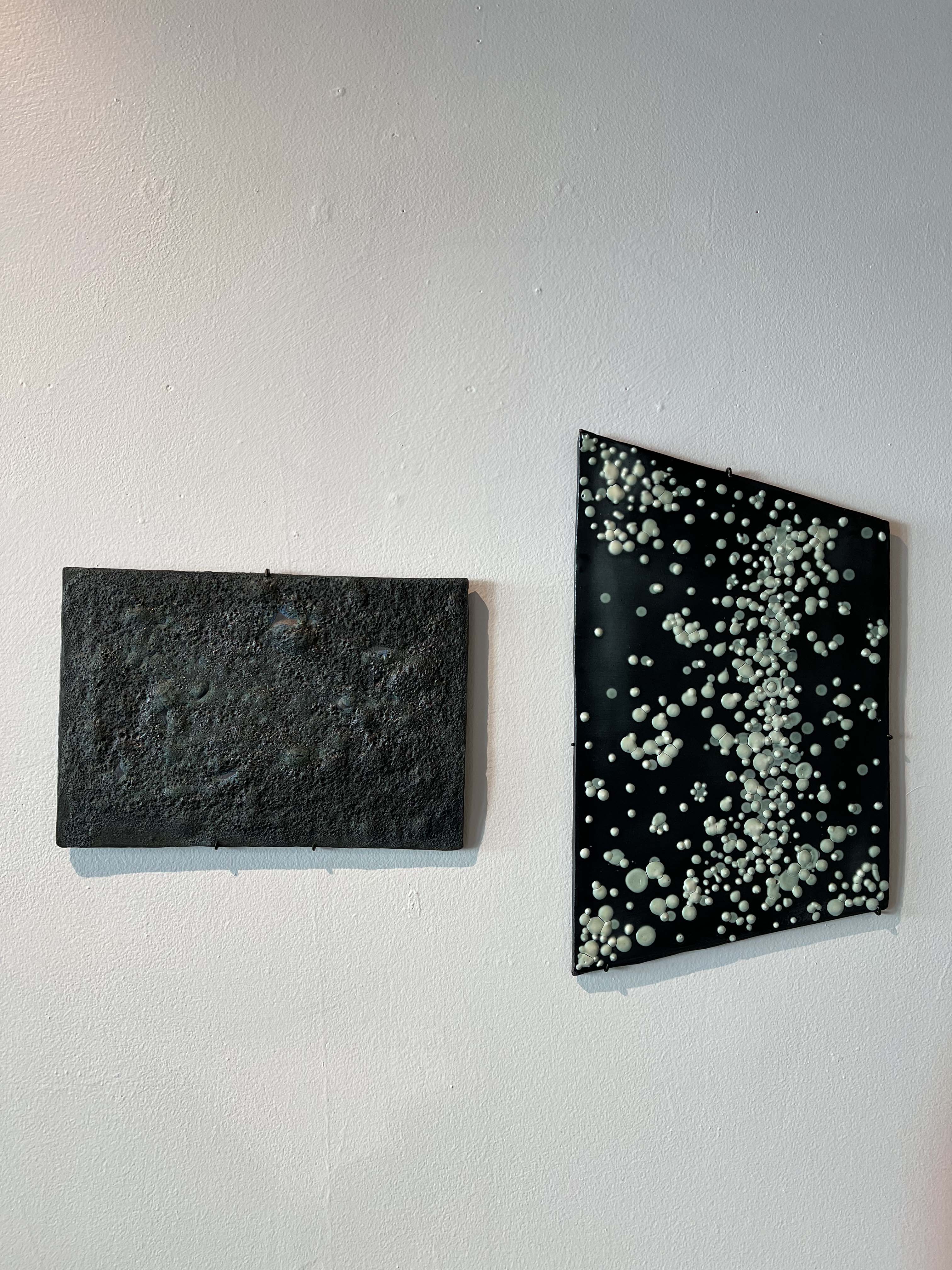
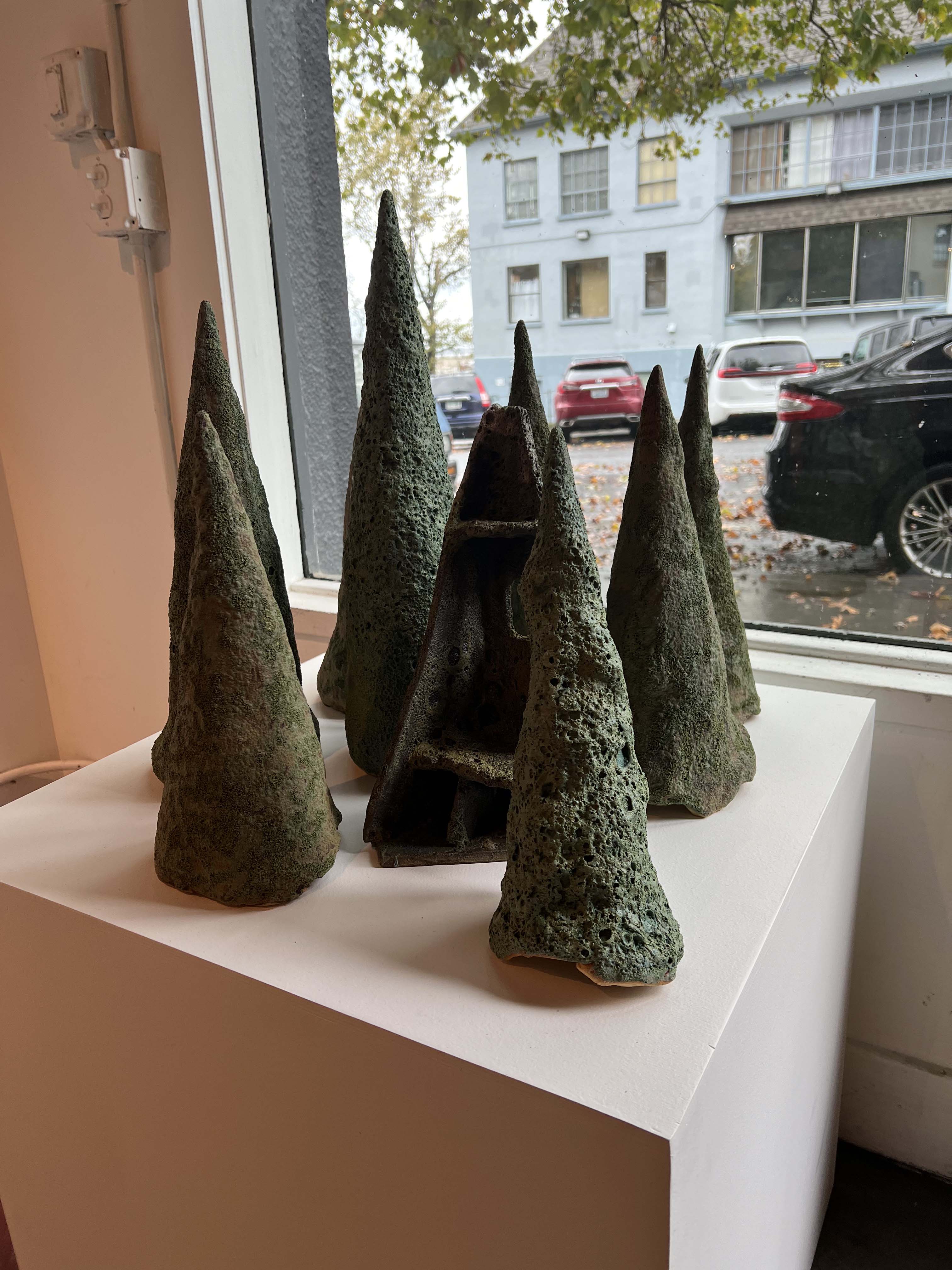
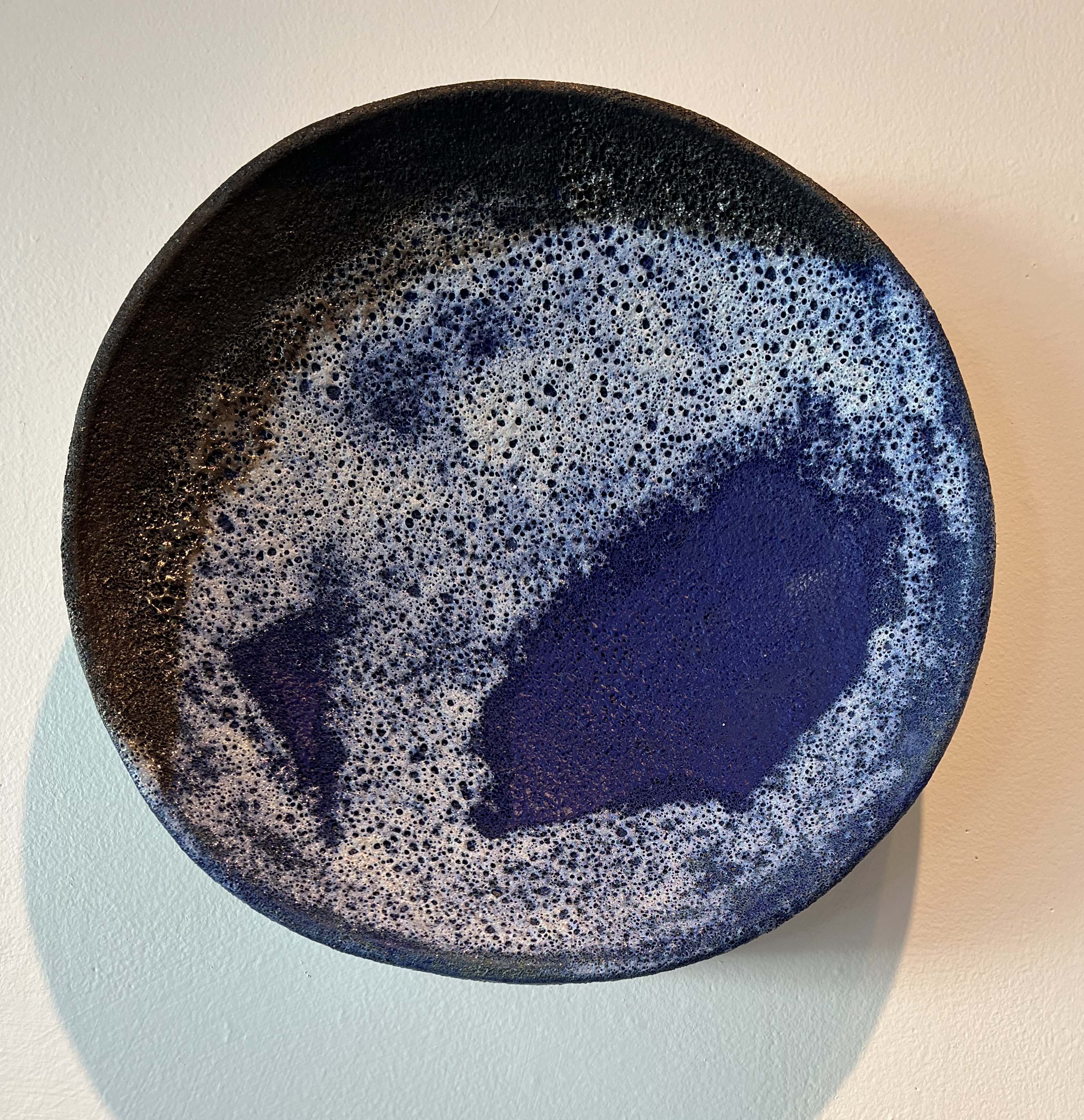
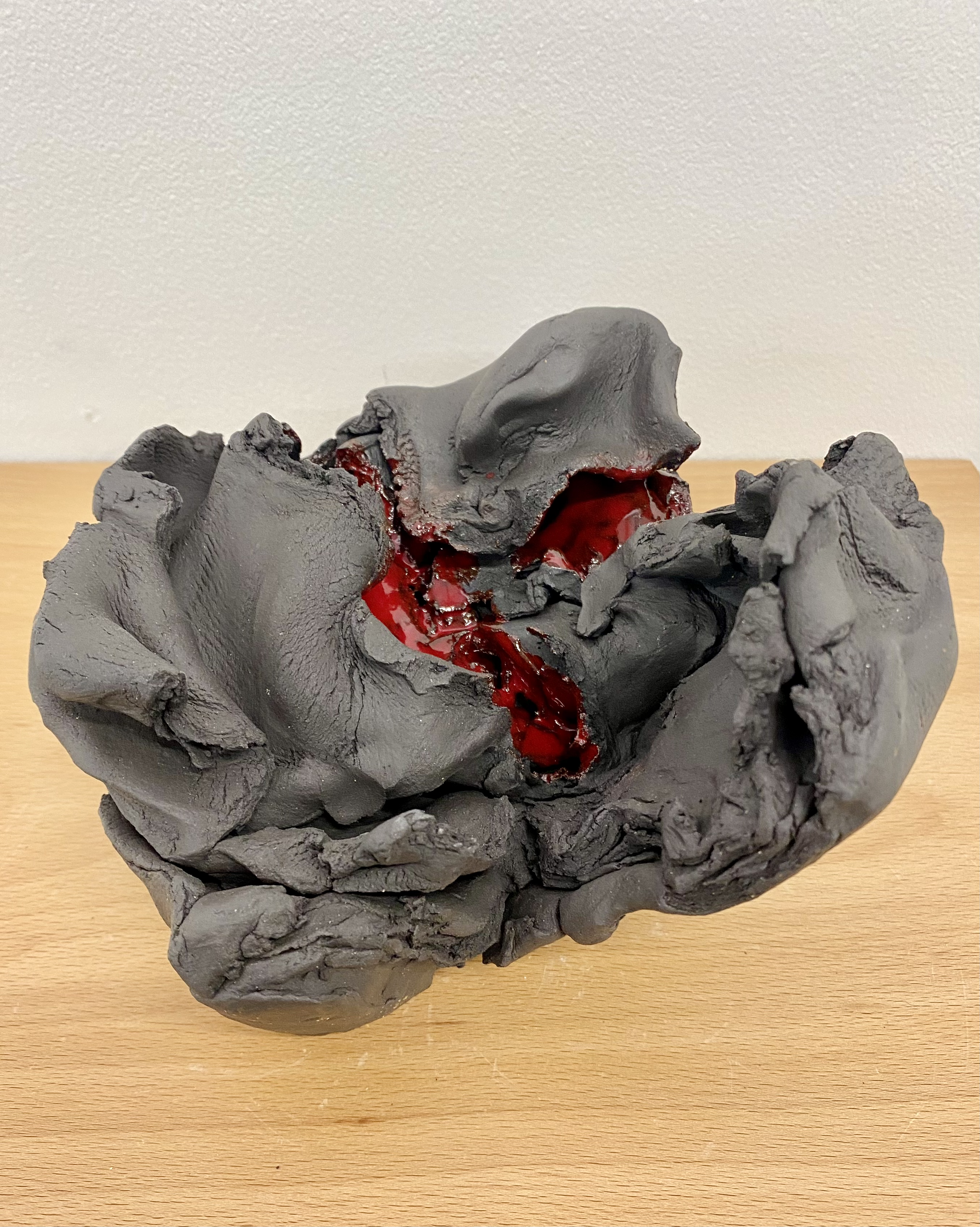
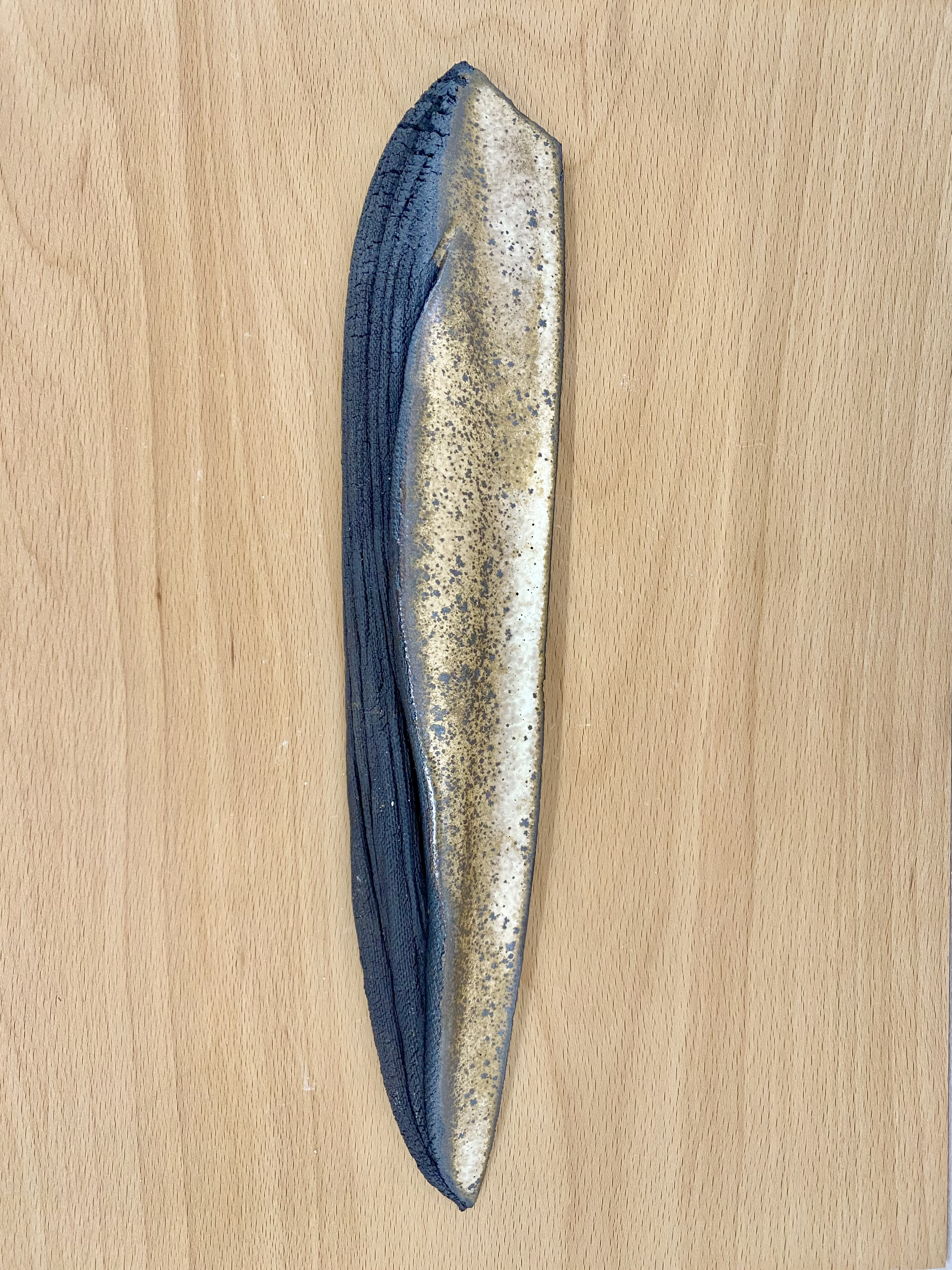
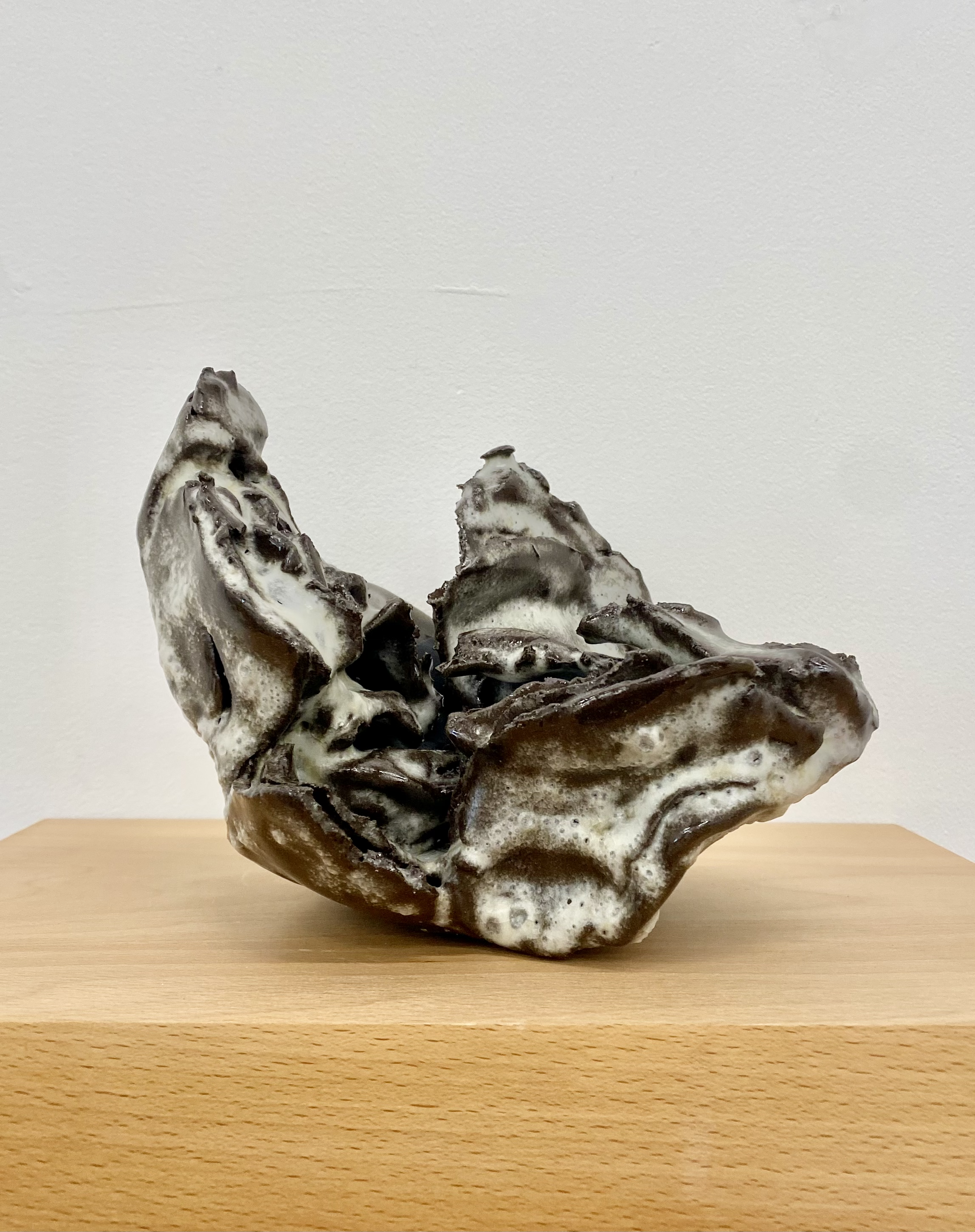
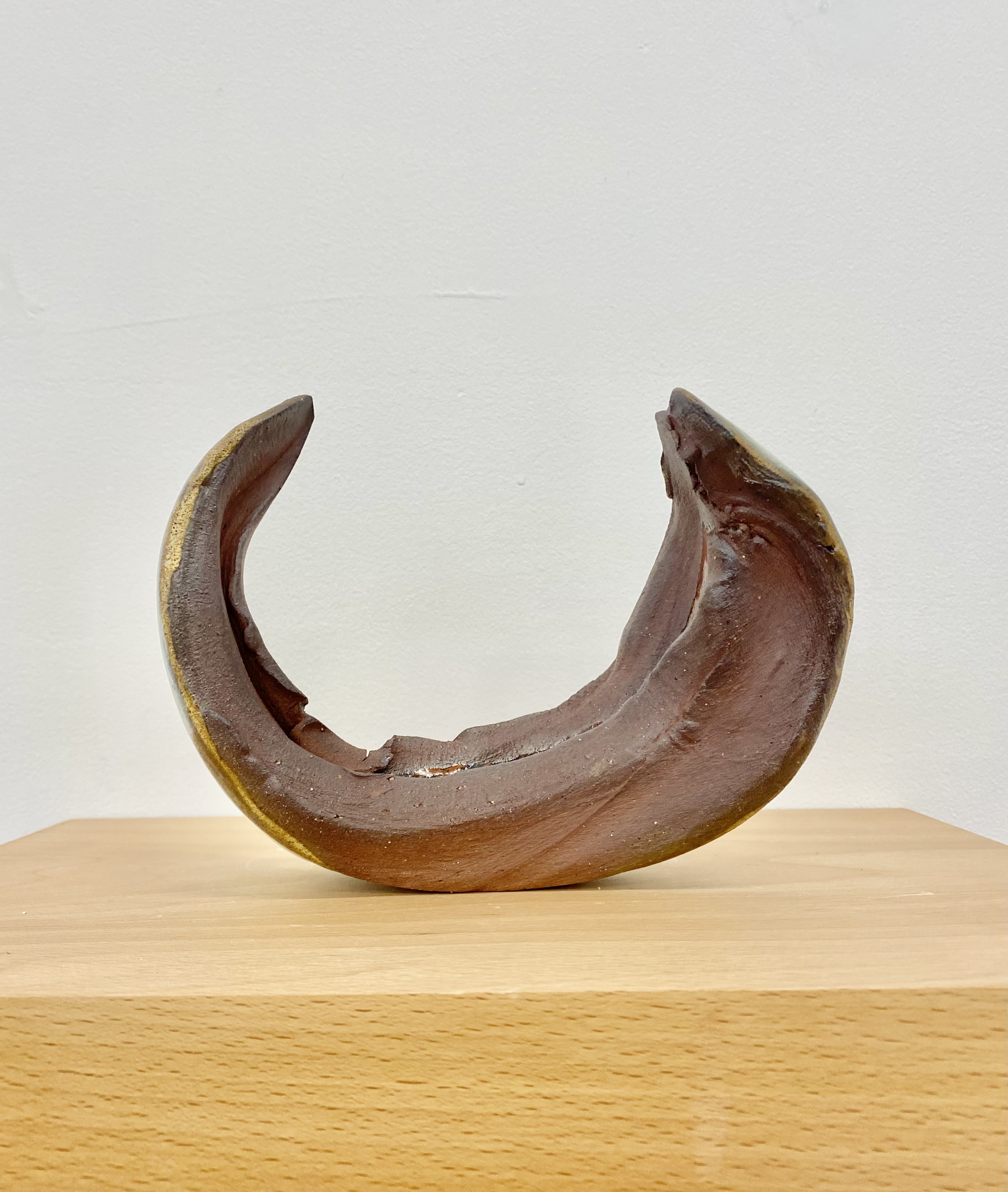
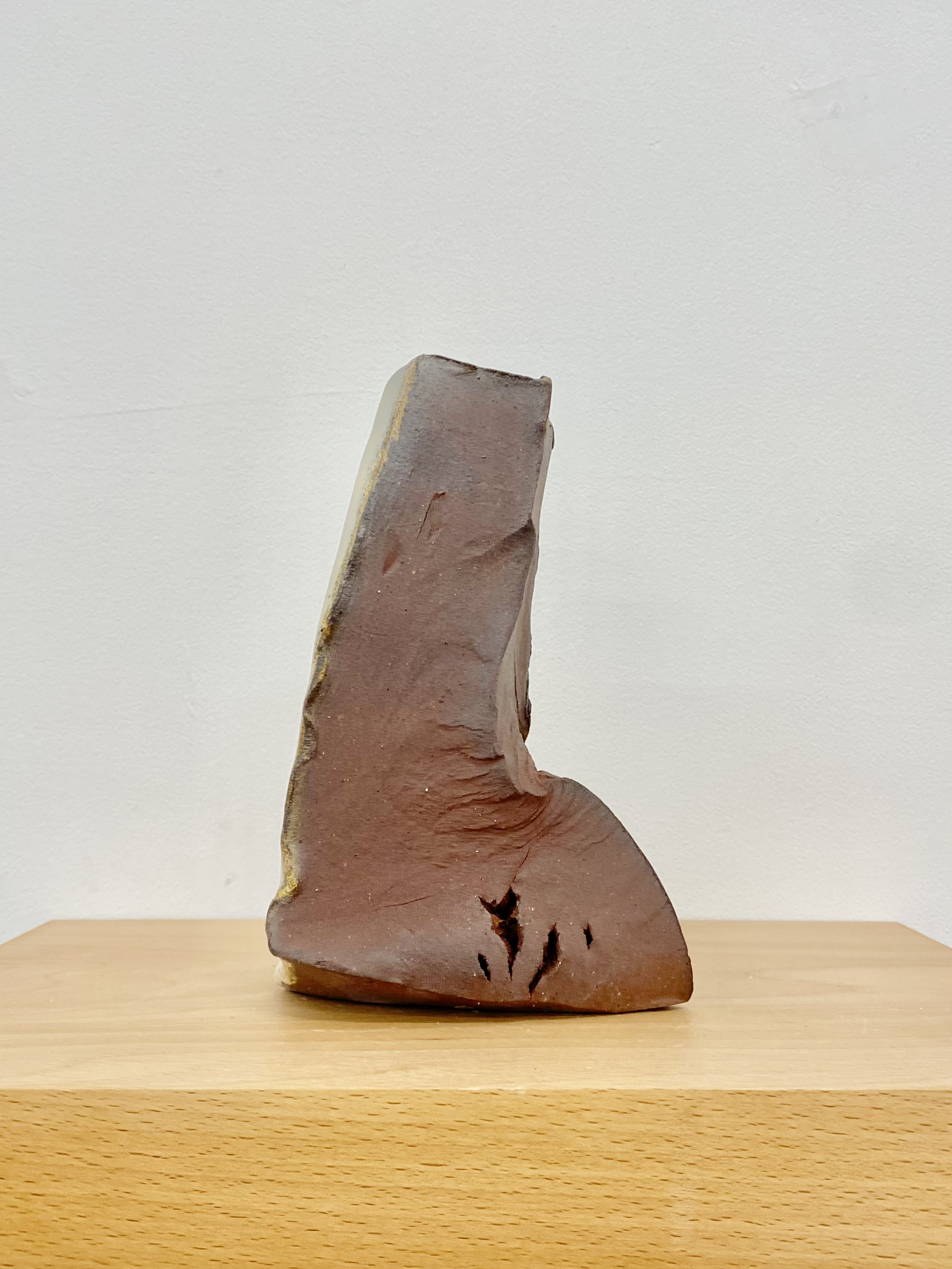
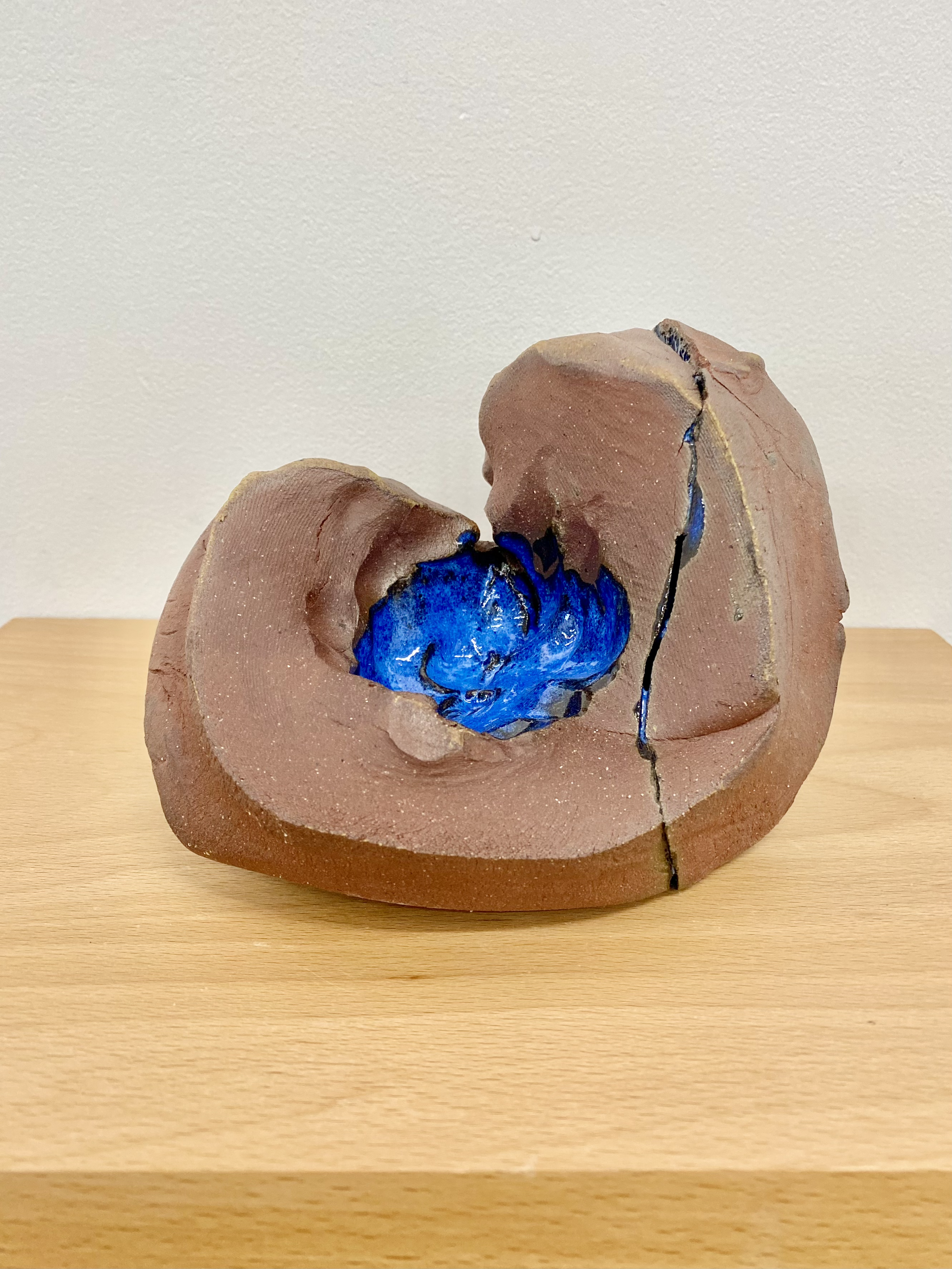
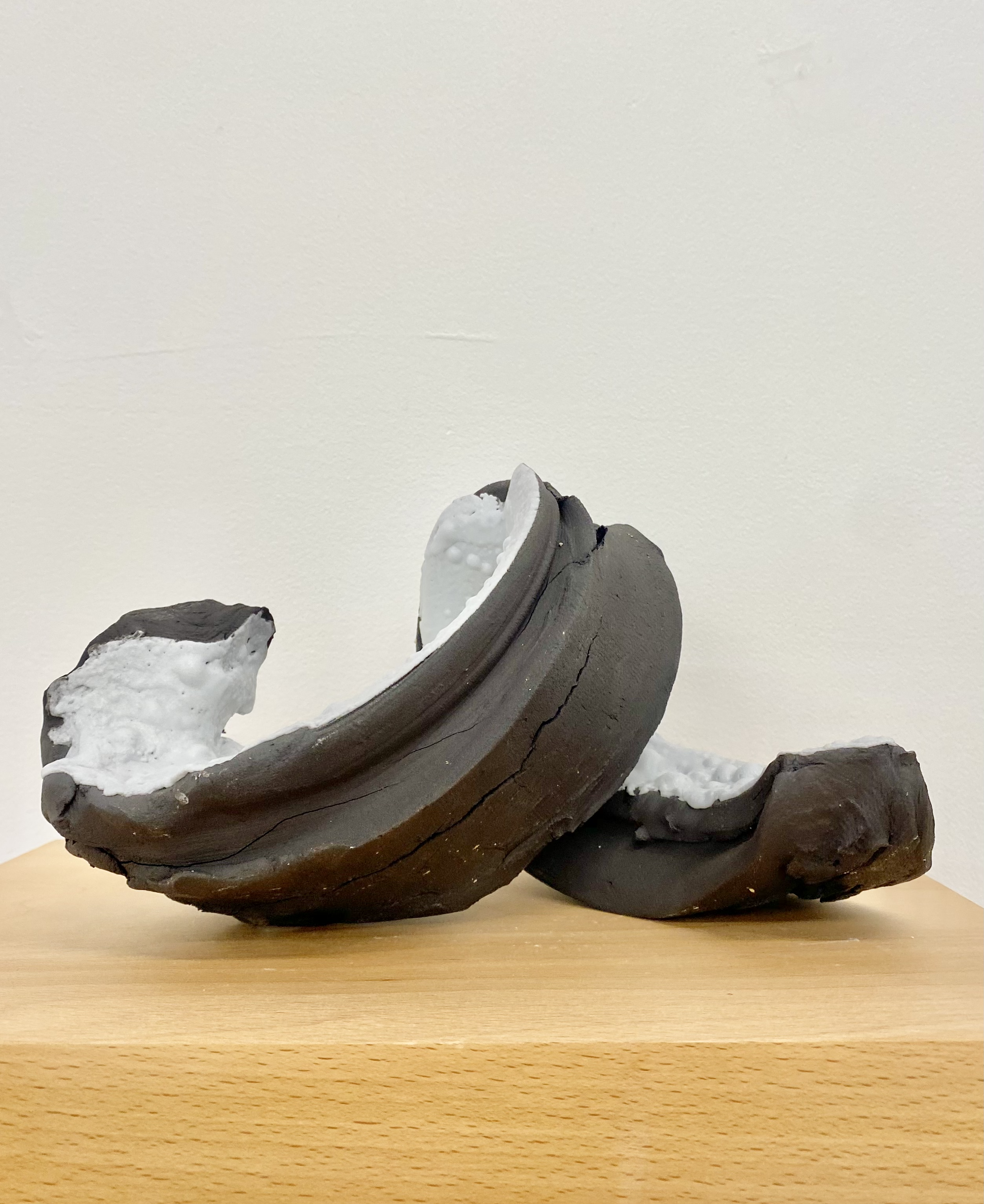
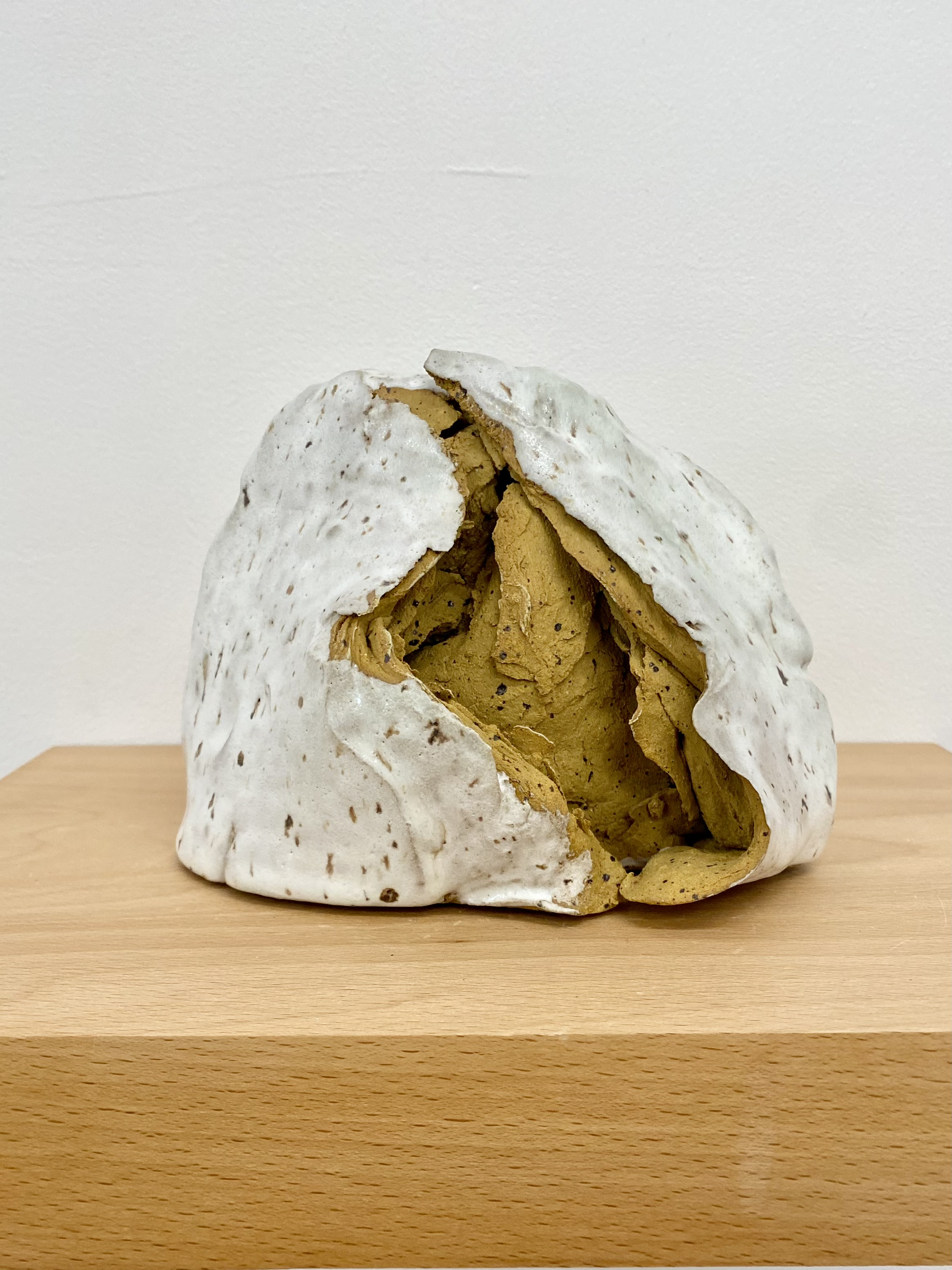
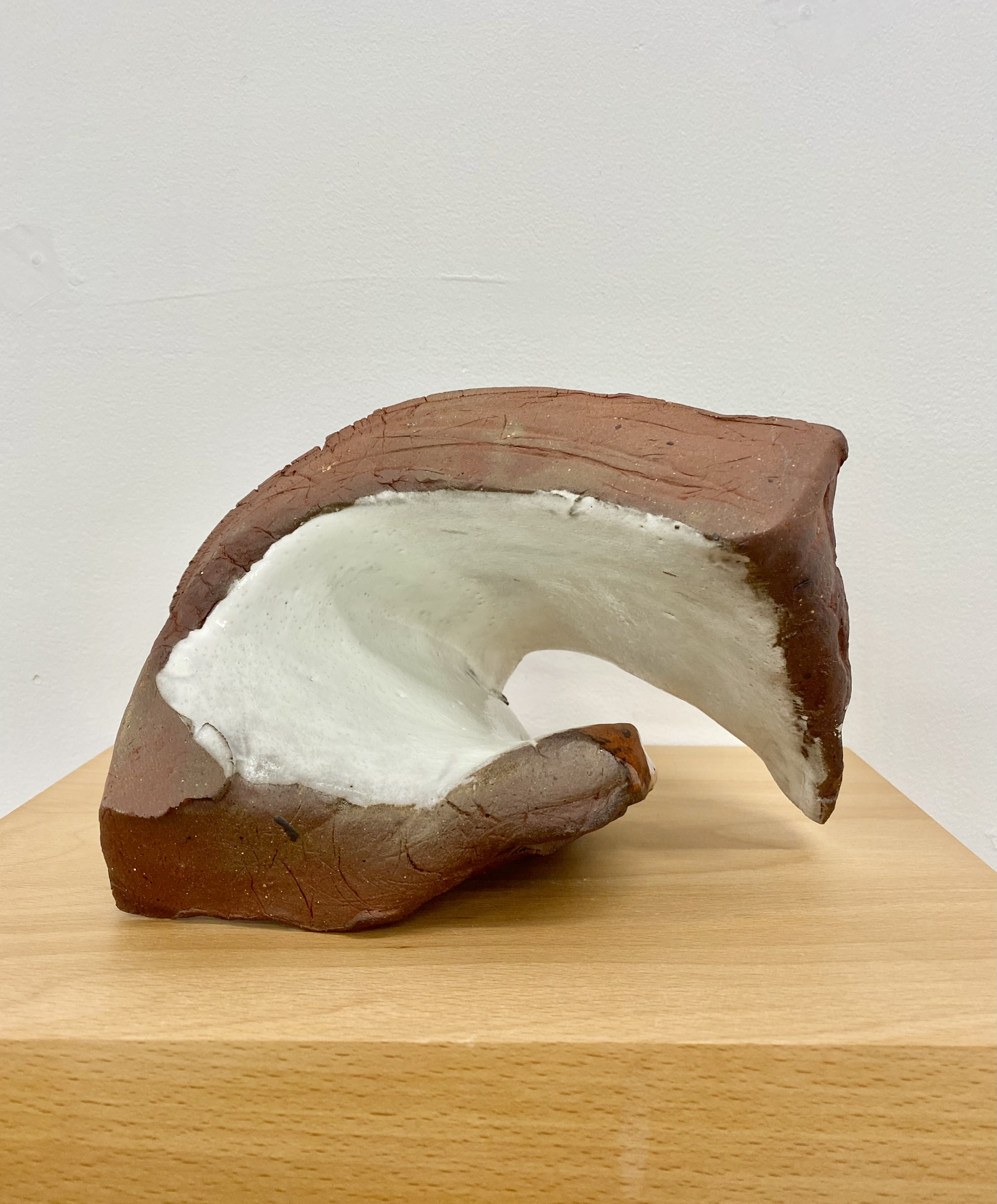
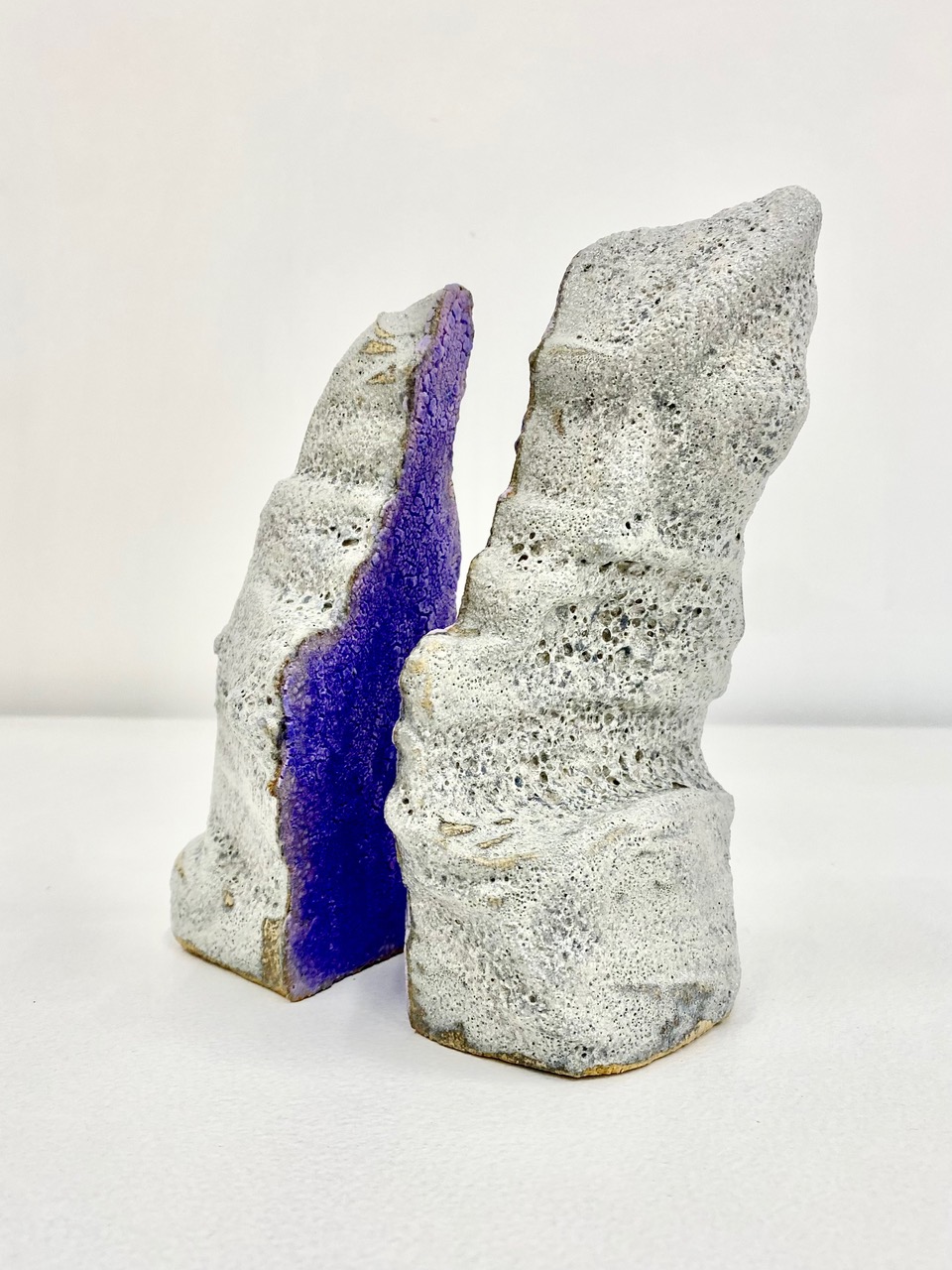
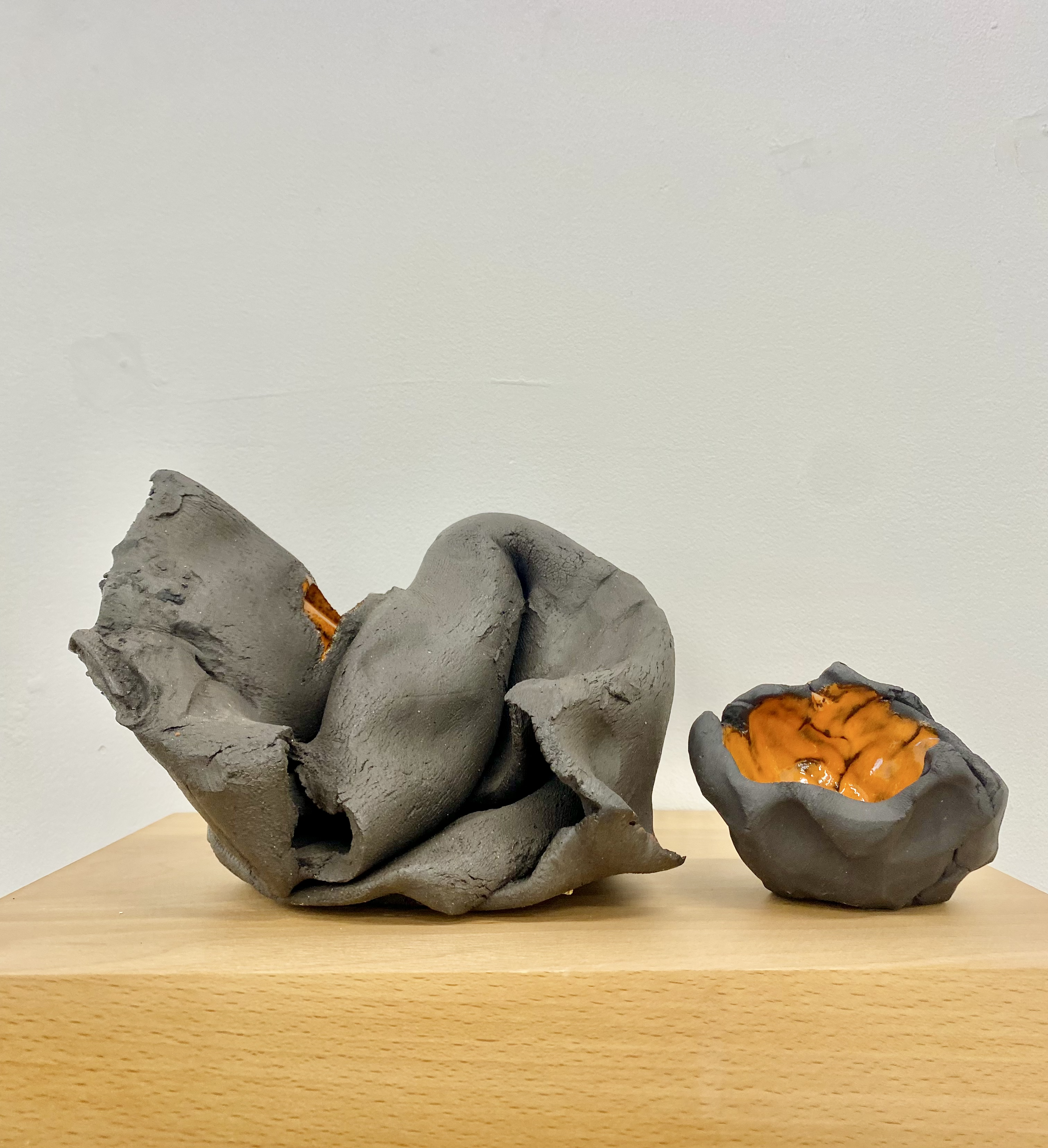
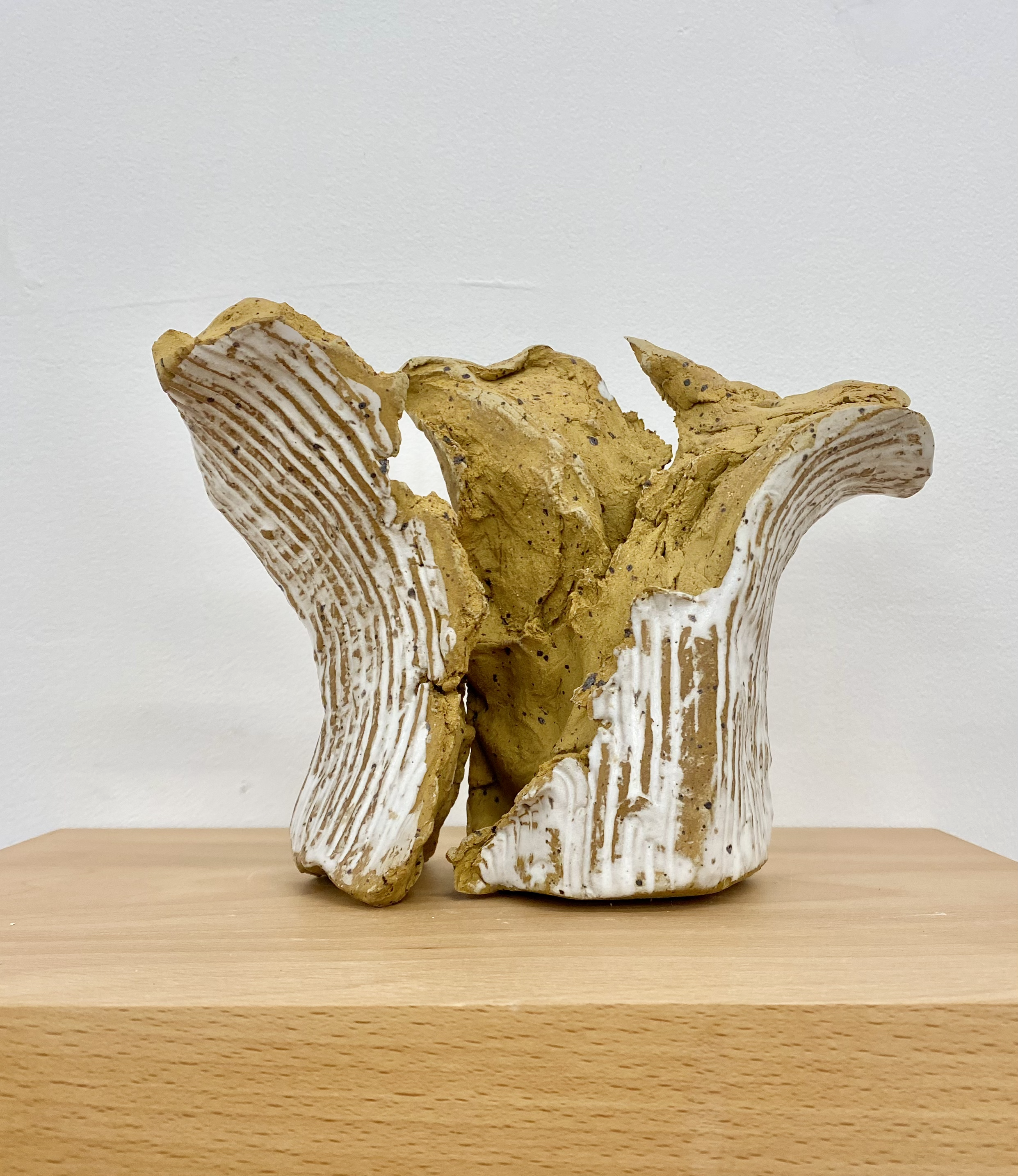
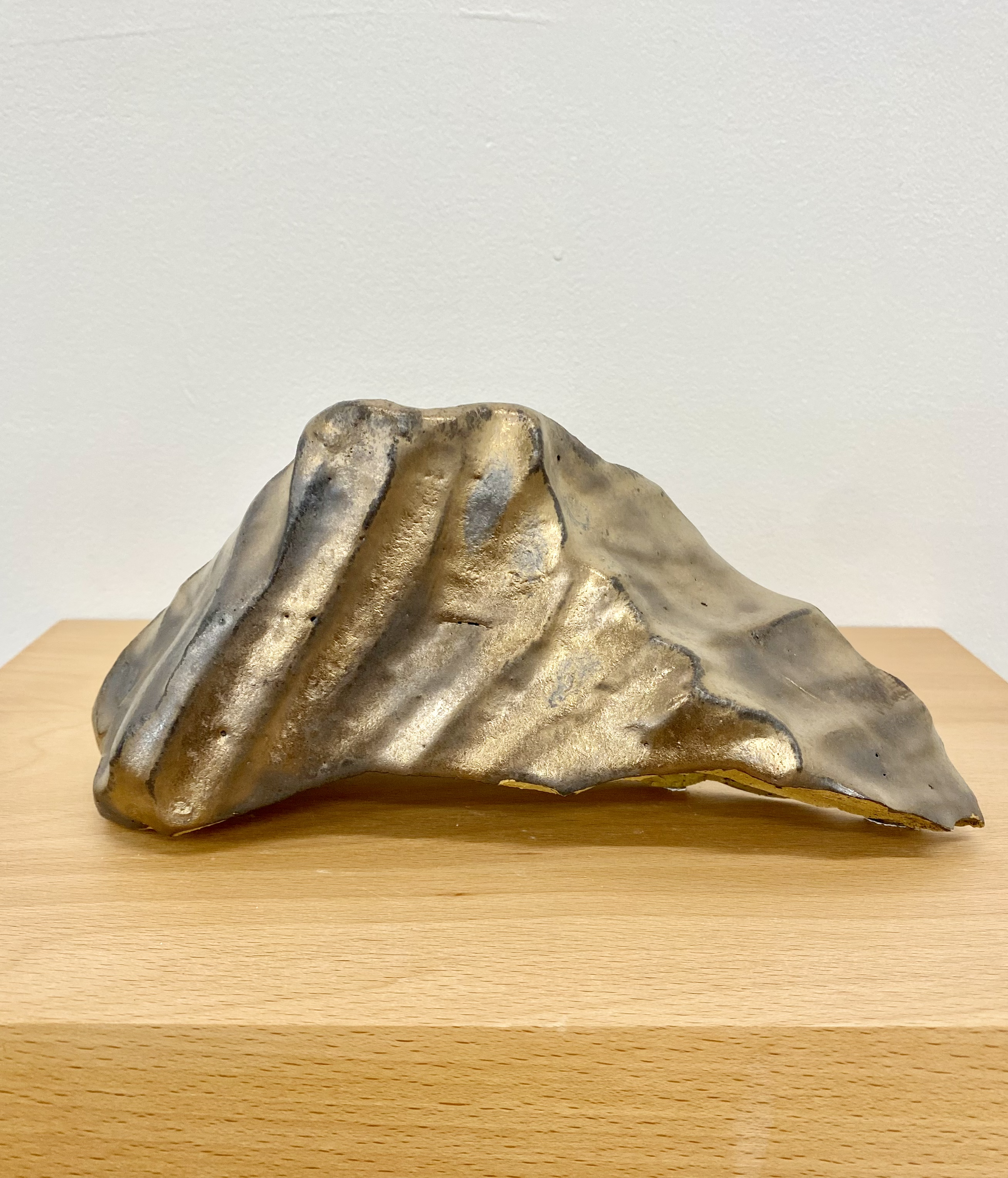
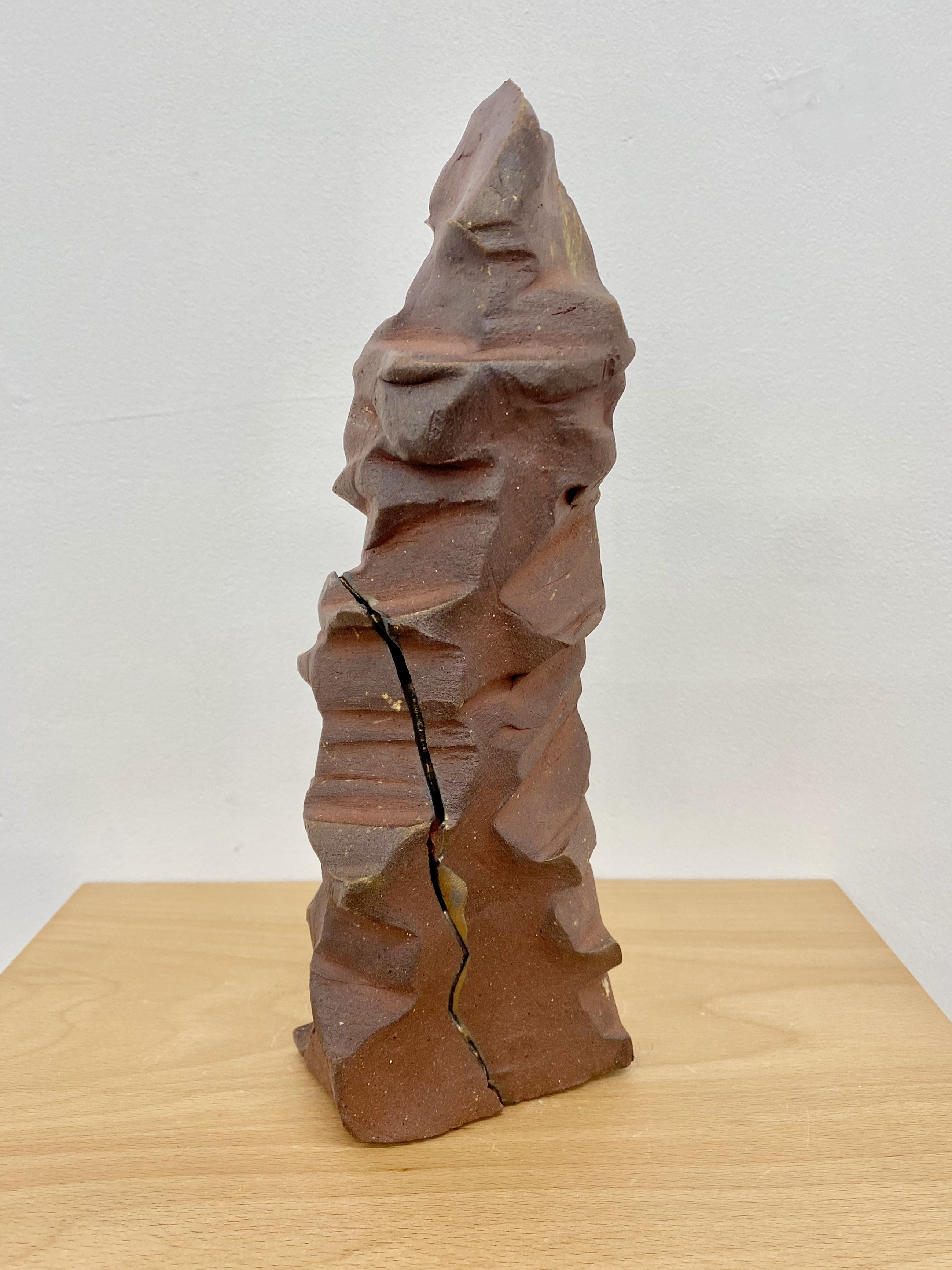
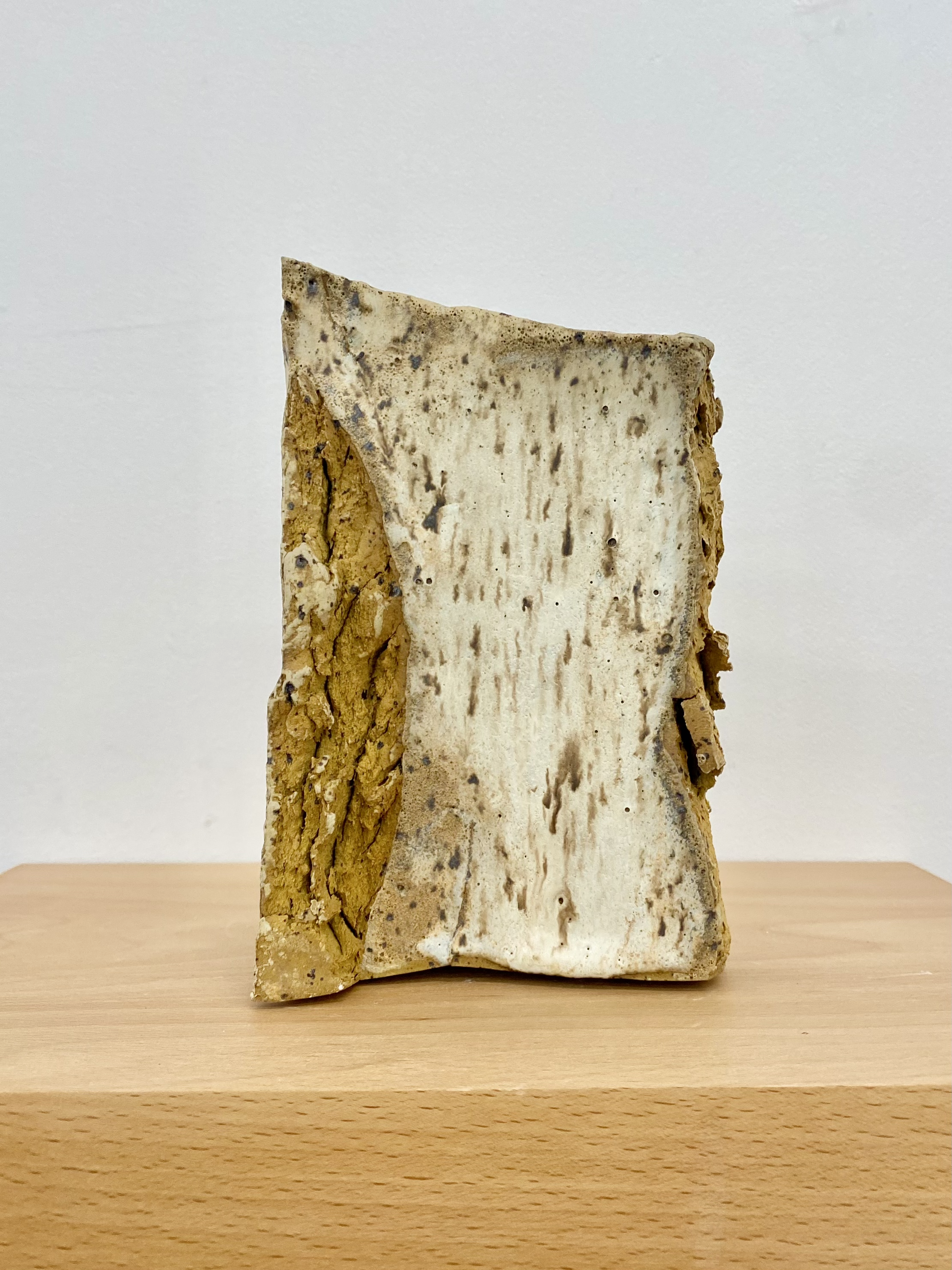
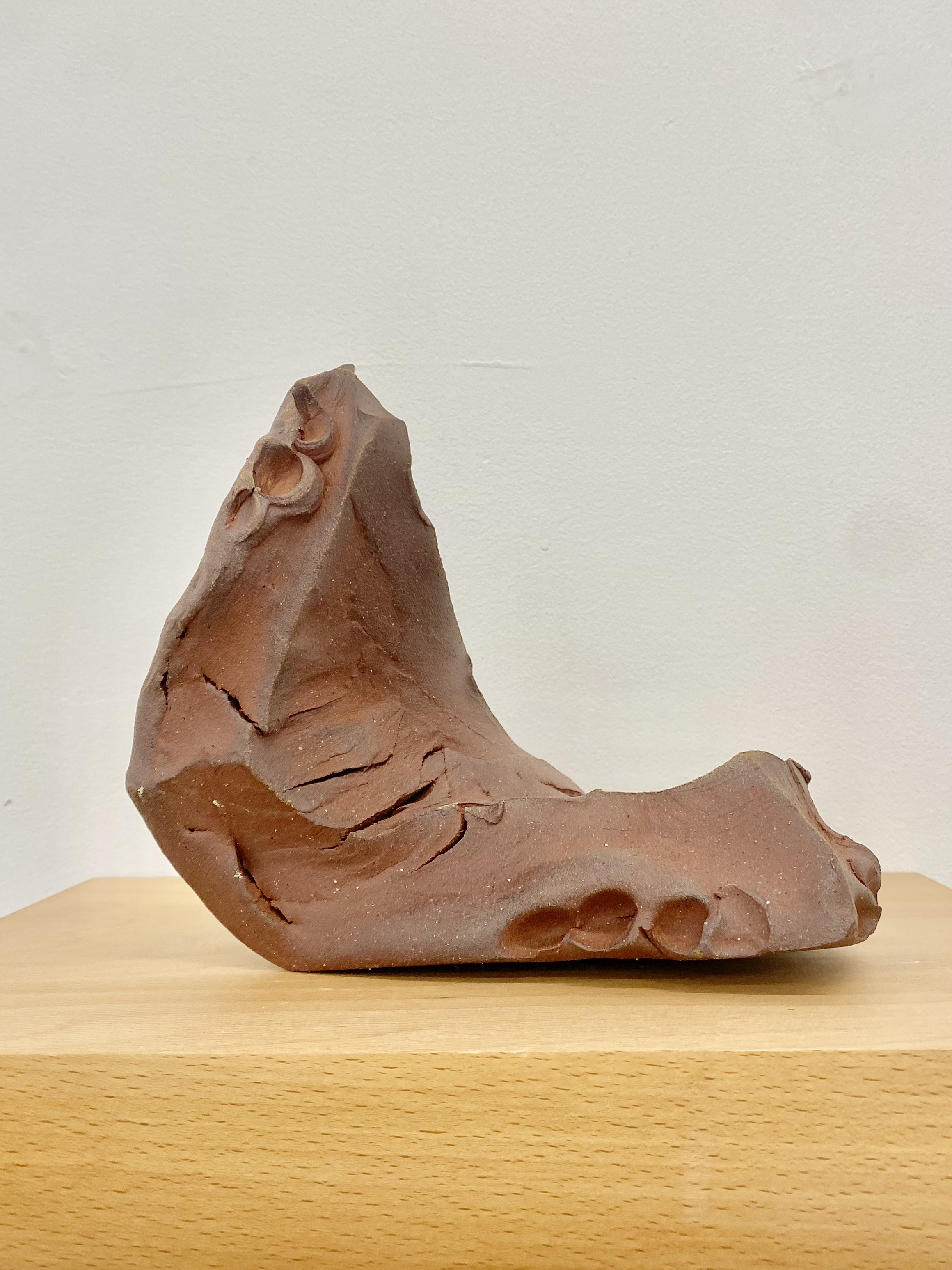
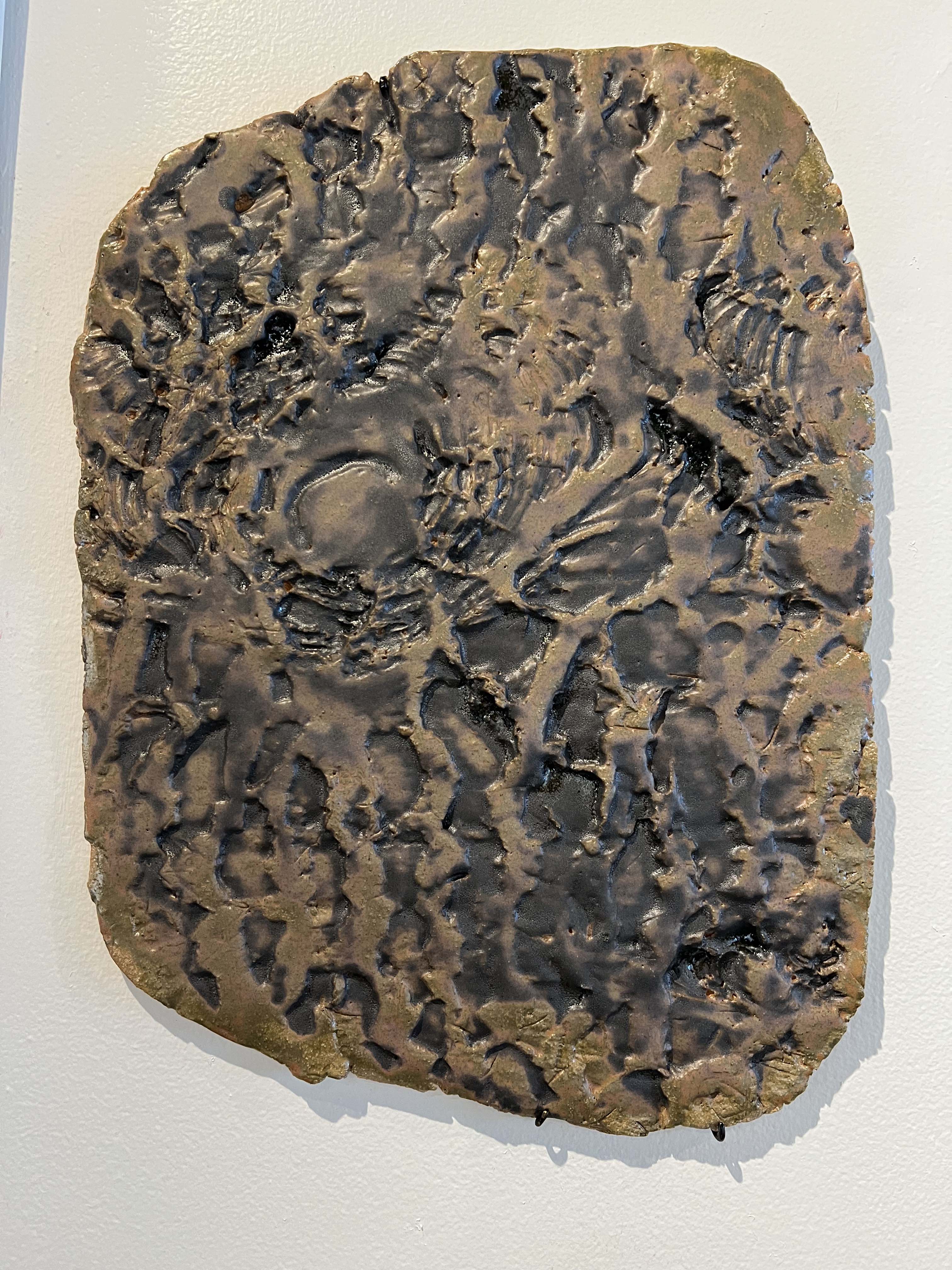
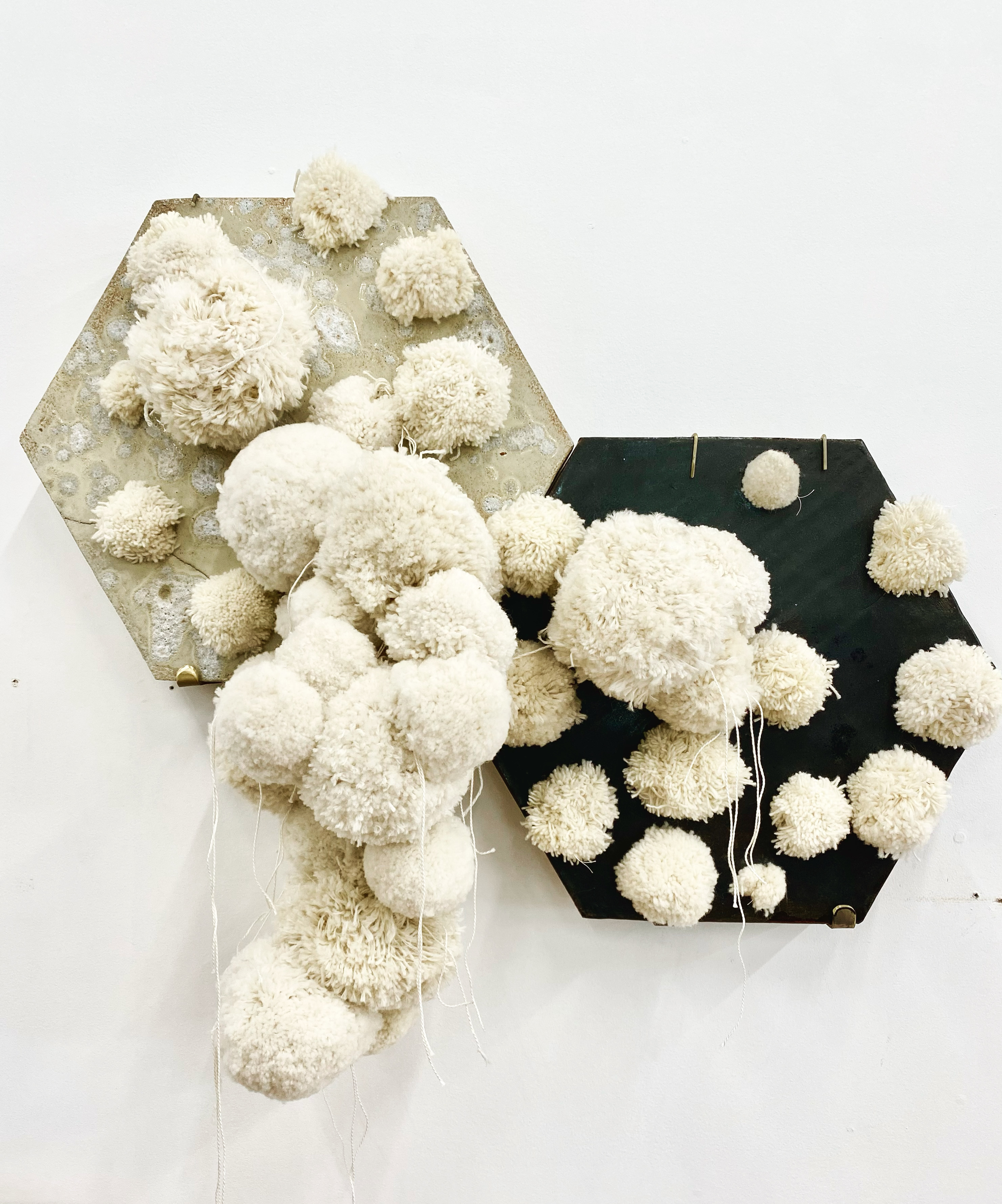
Change is really scary, and clay is all about change. Igneous rocks crystallize deep in the earth, ancient elements crystallizing into sparkly new minerals. Mountains are pushed up, and then eroded down, their micas and feldspars becoming clay particles. Water and wind sort the particles into sedimentary beds, where eager hands find them.

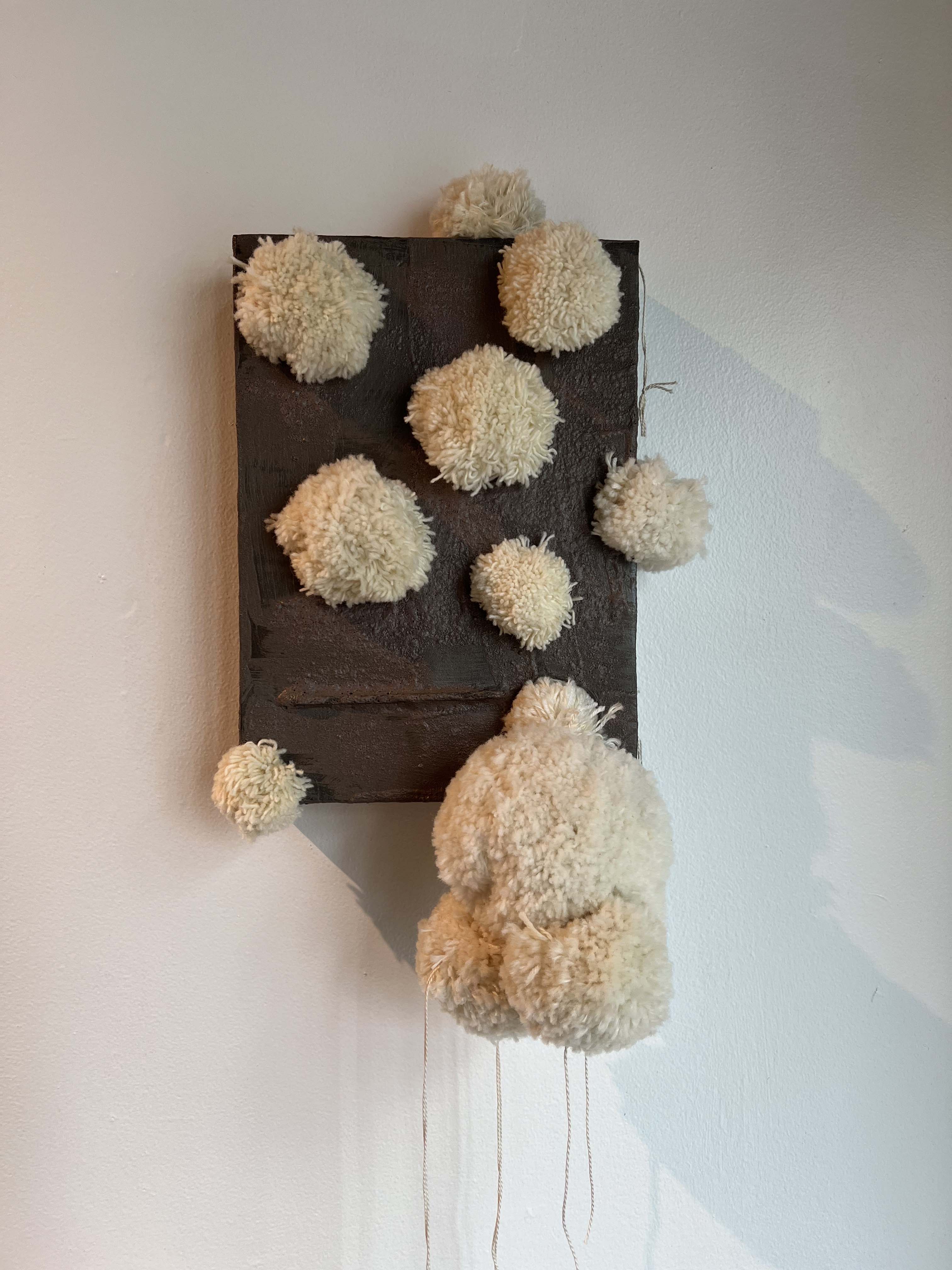
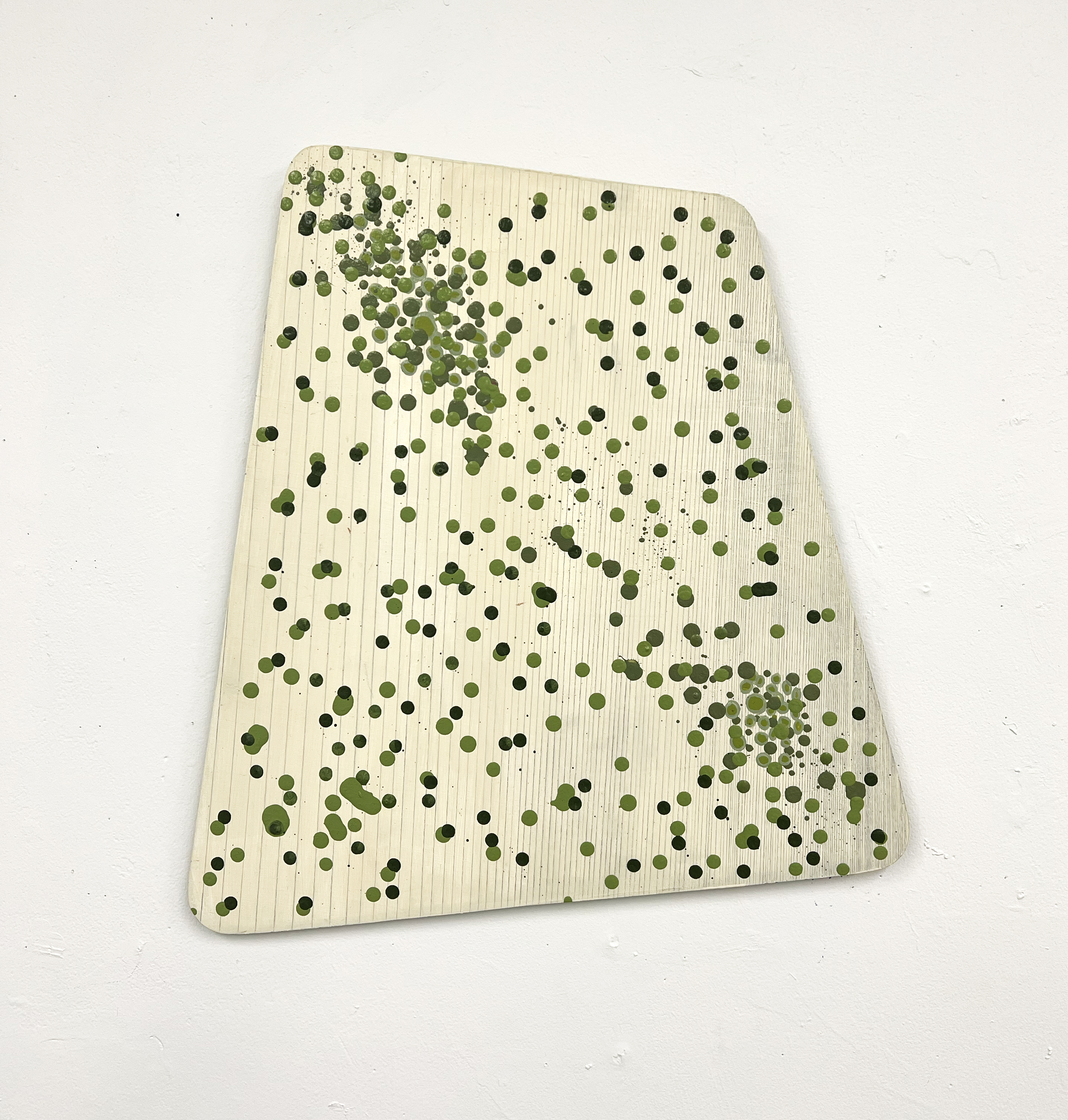
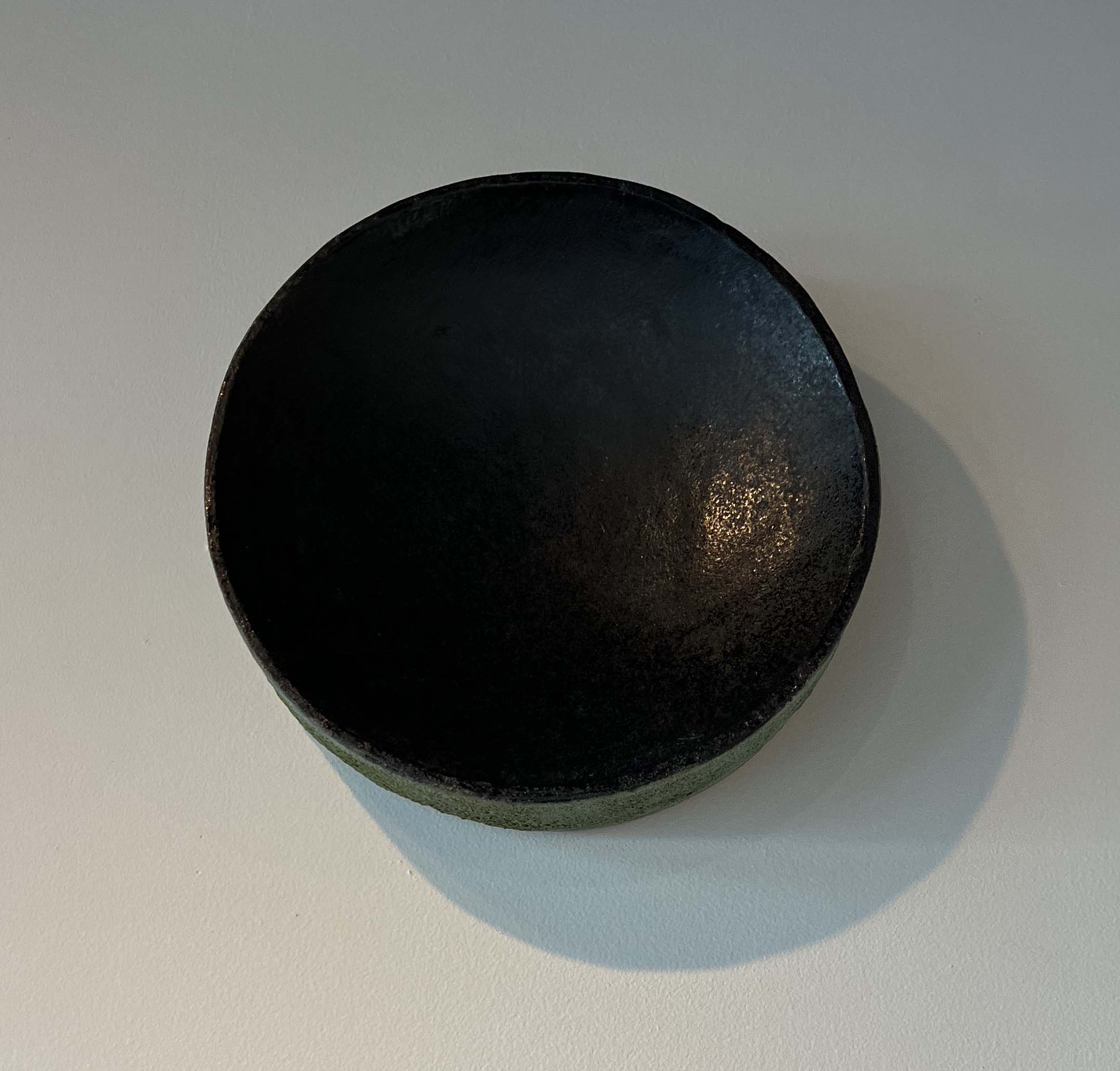
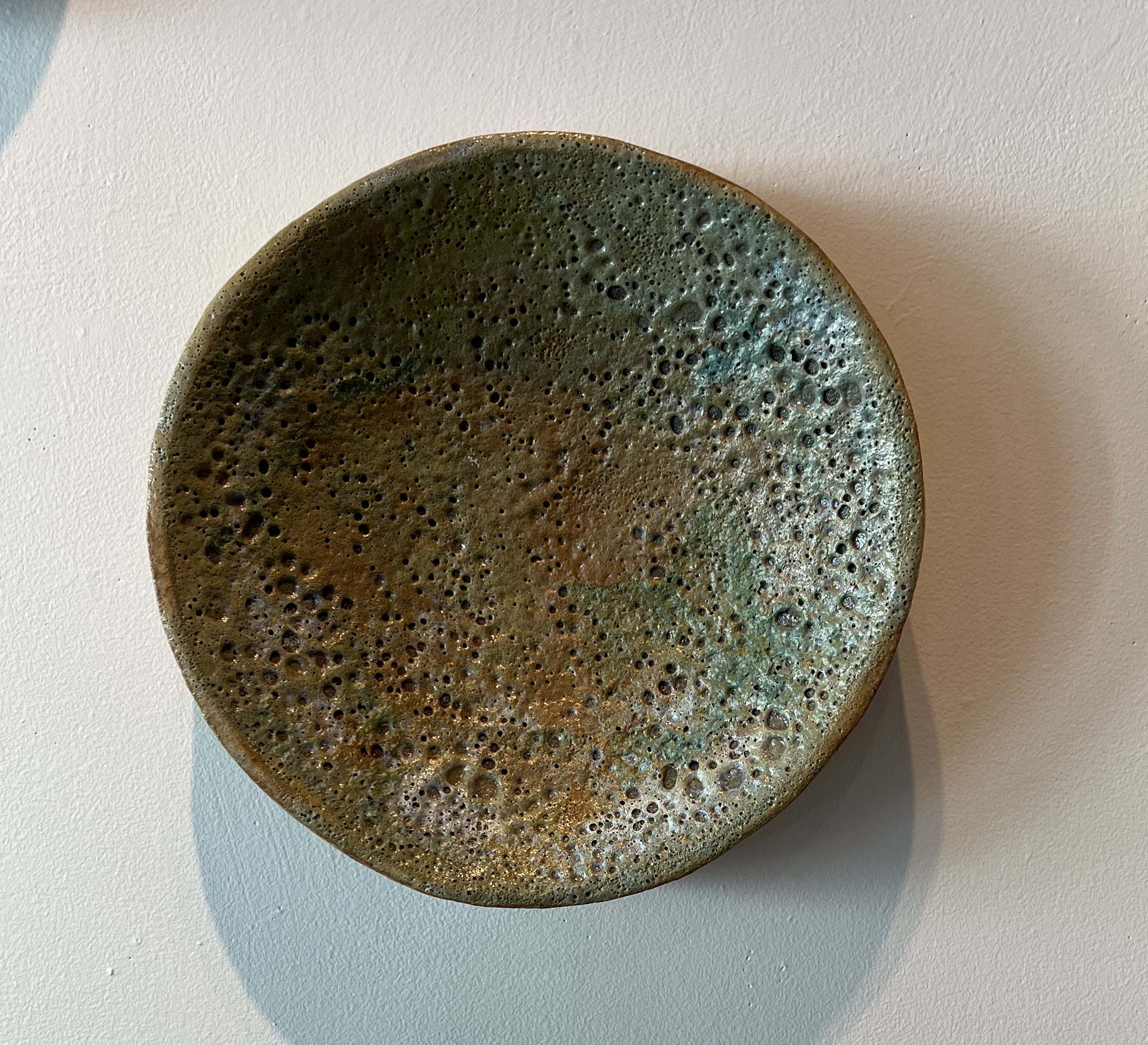
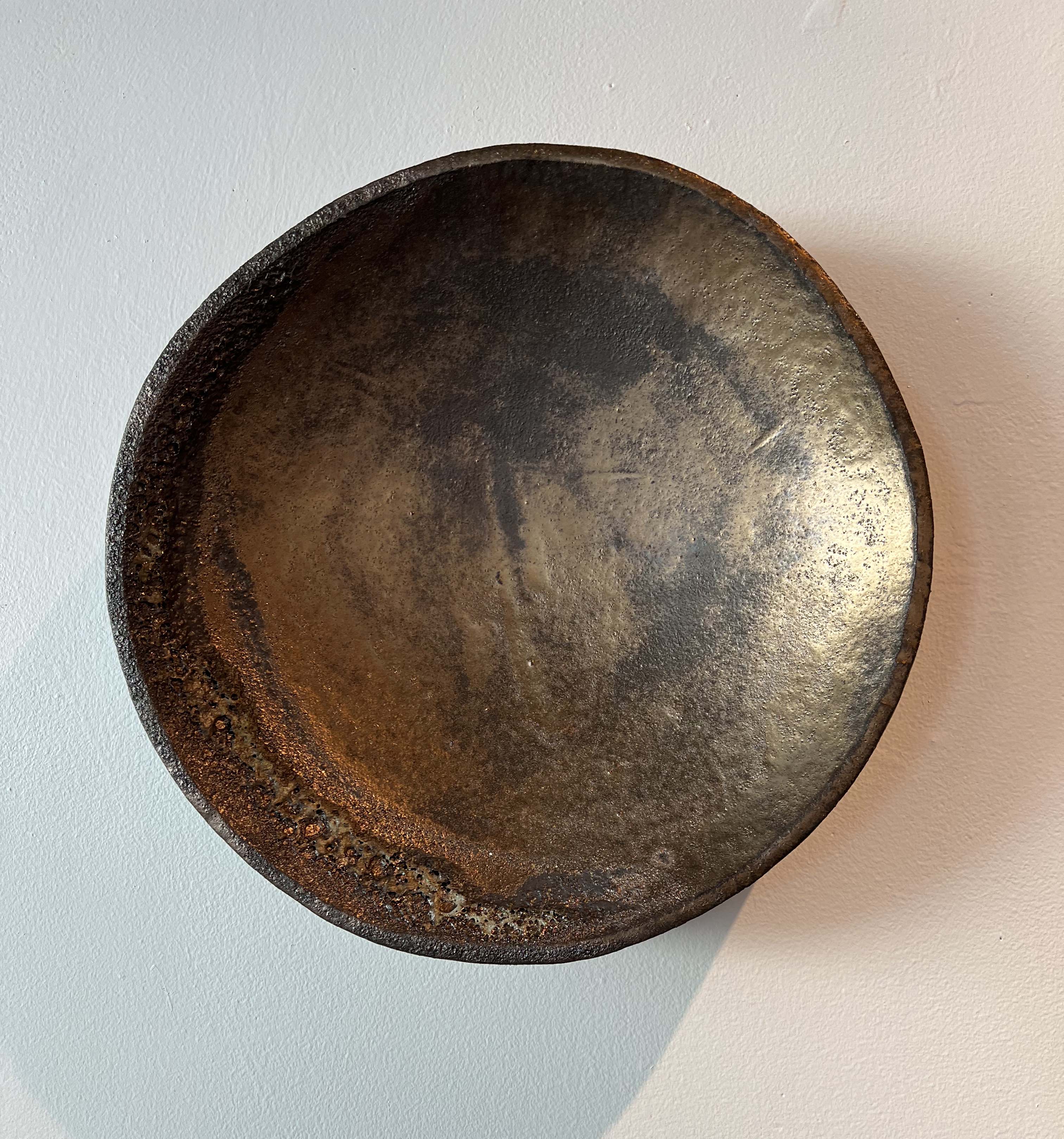
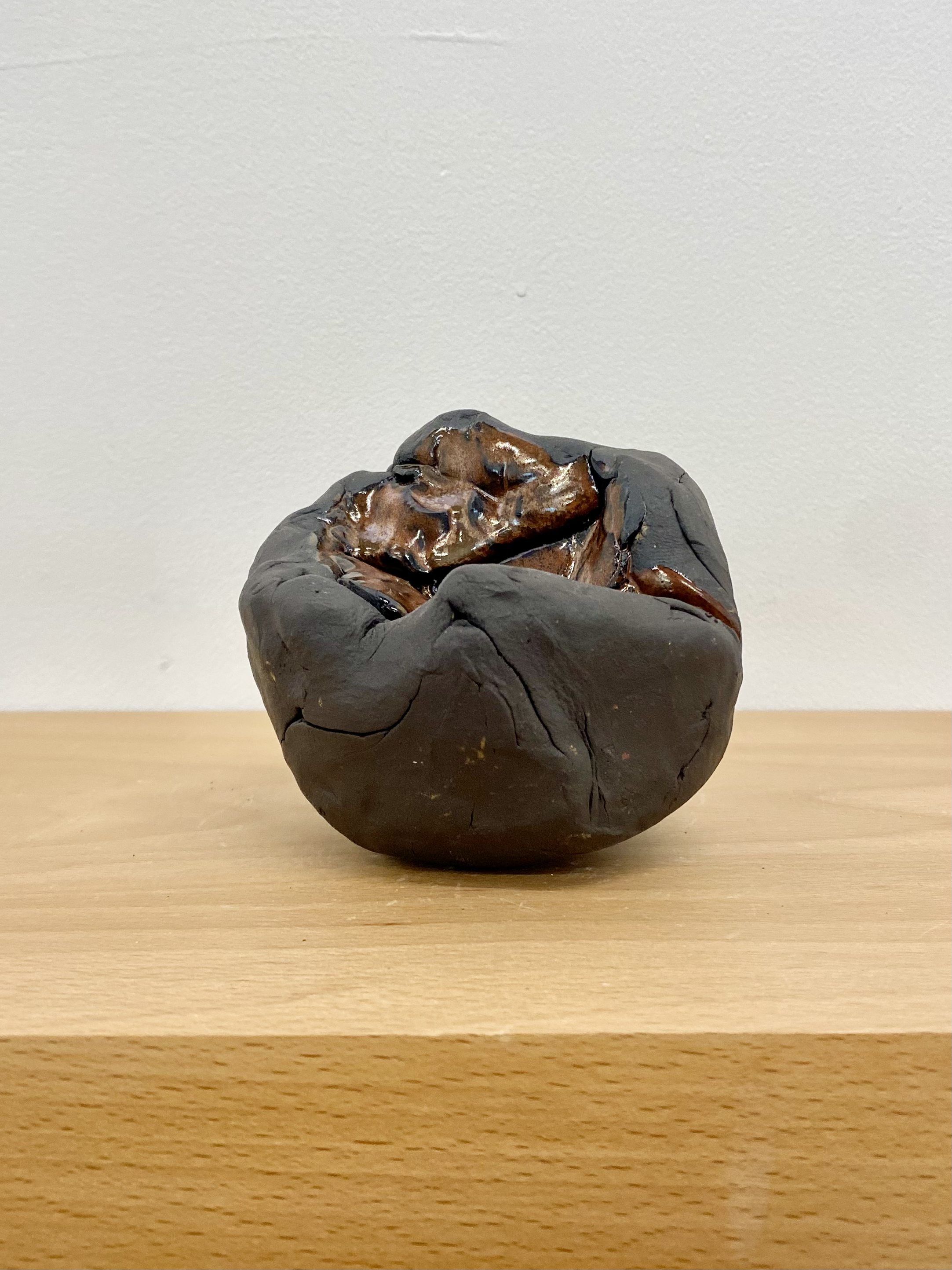
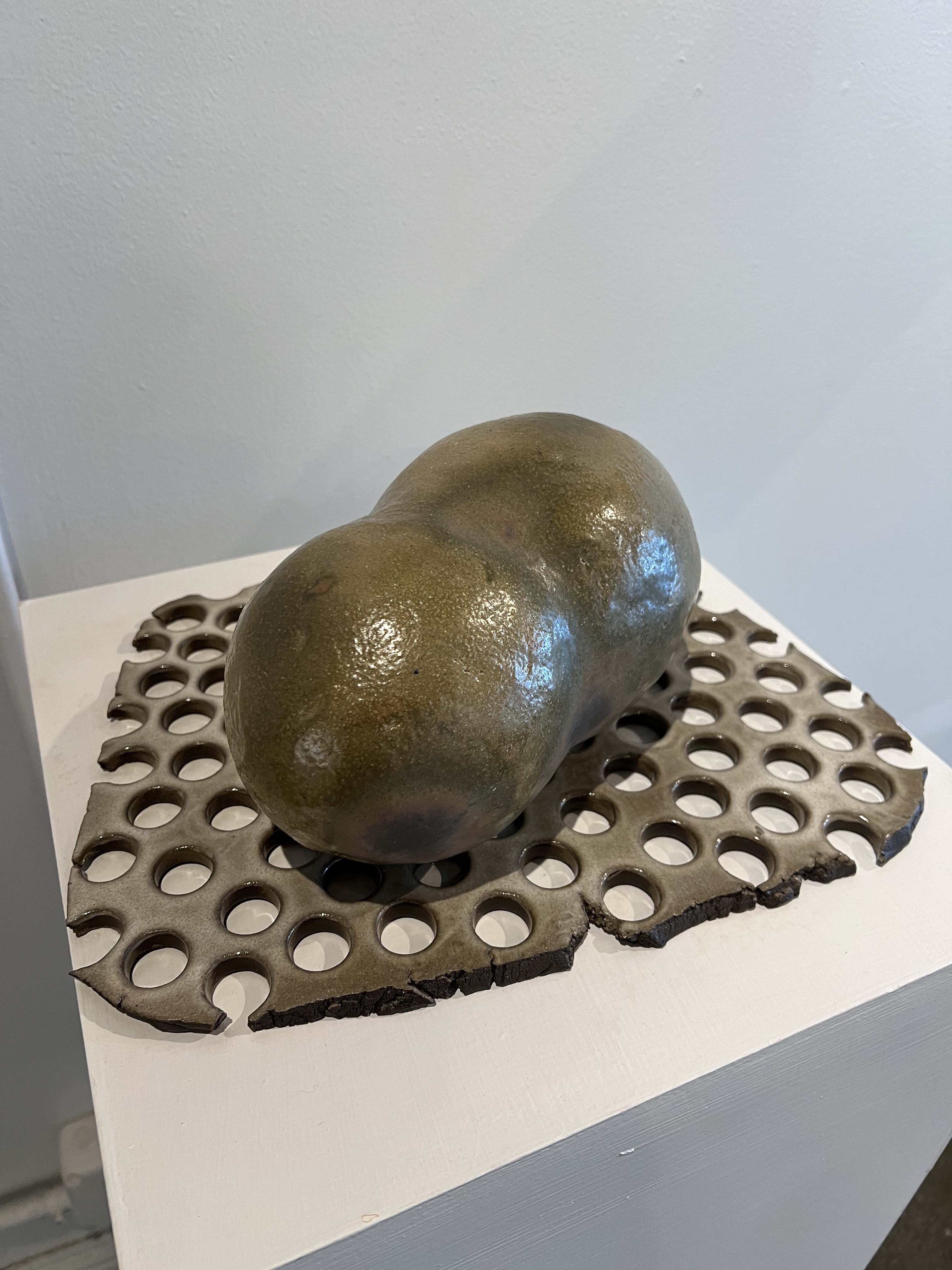
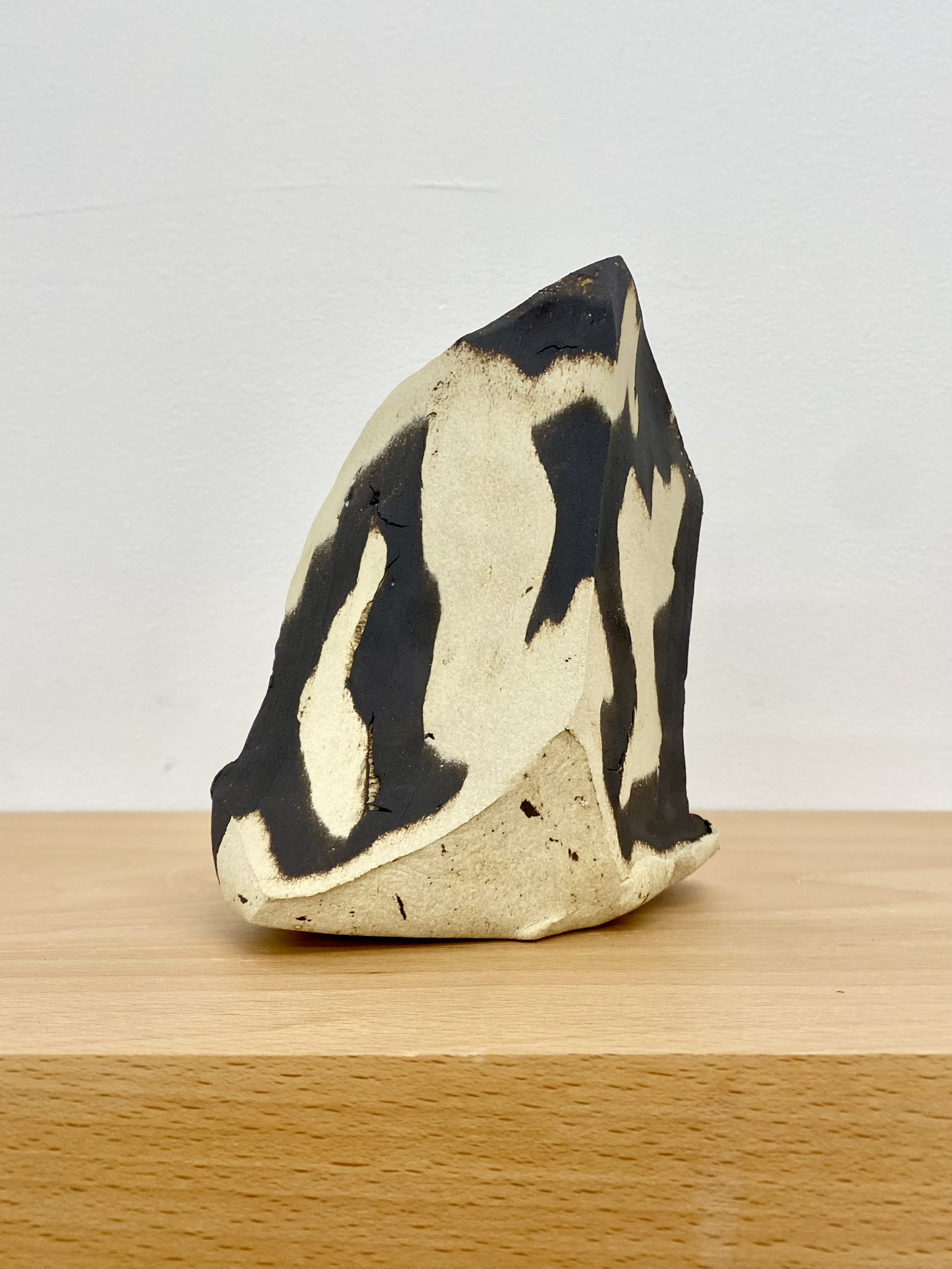
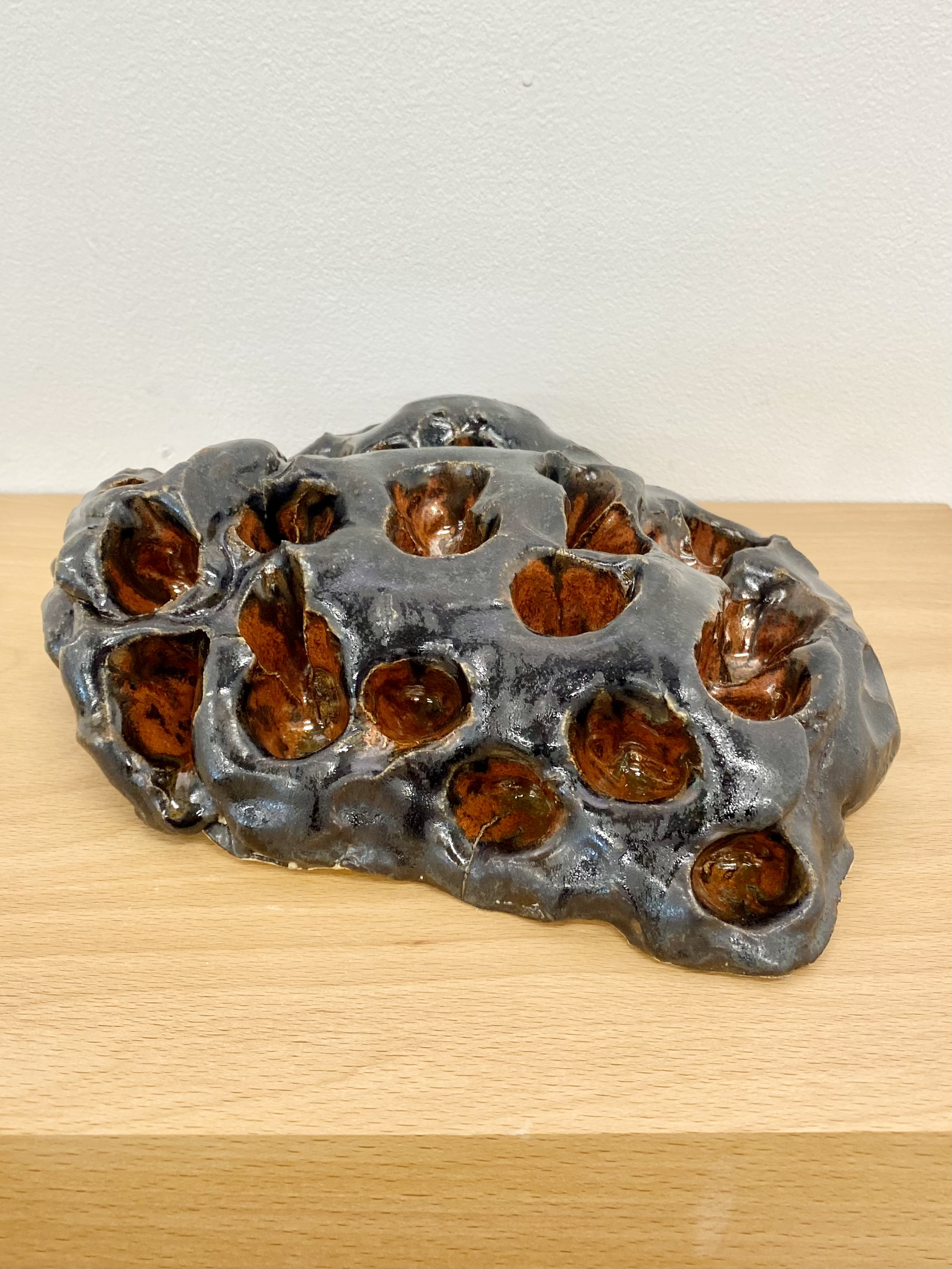
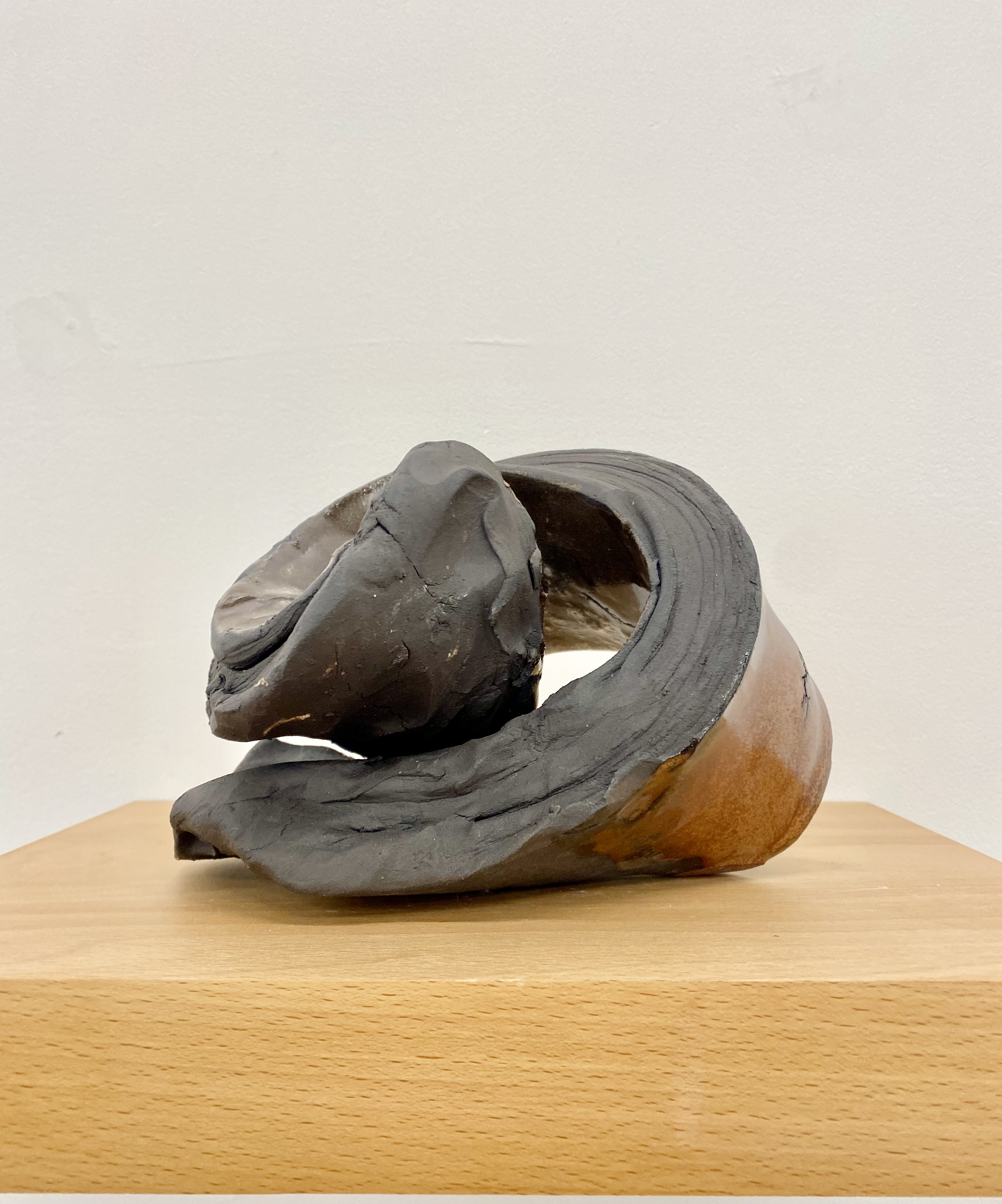
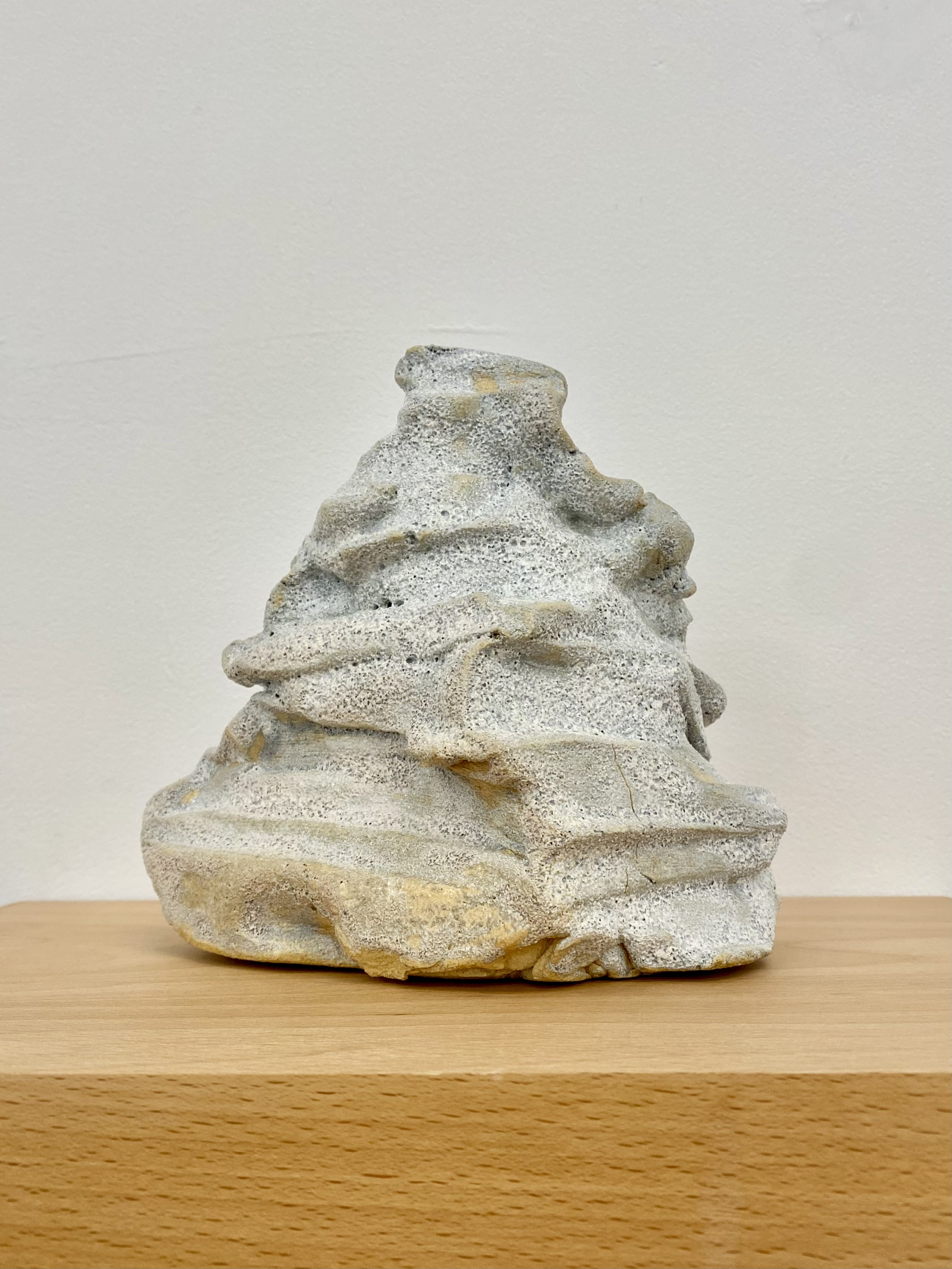
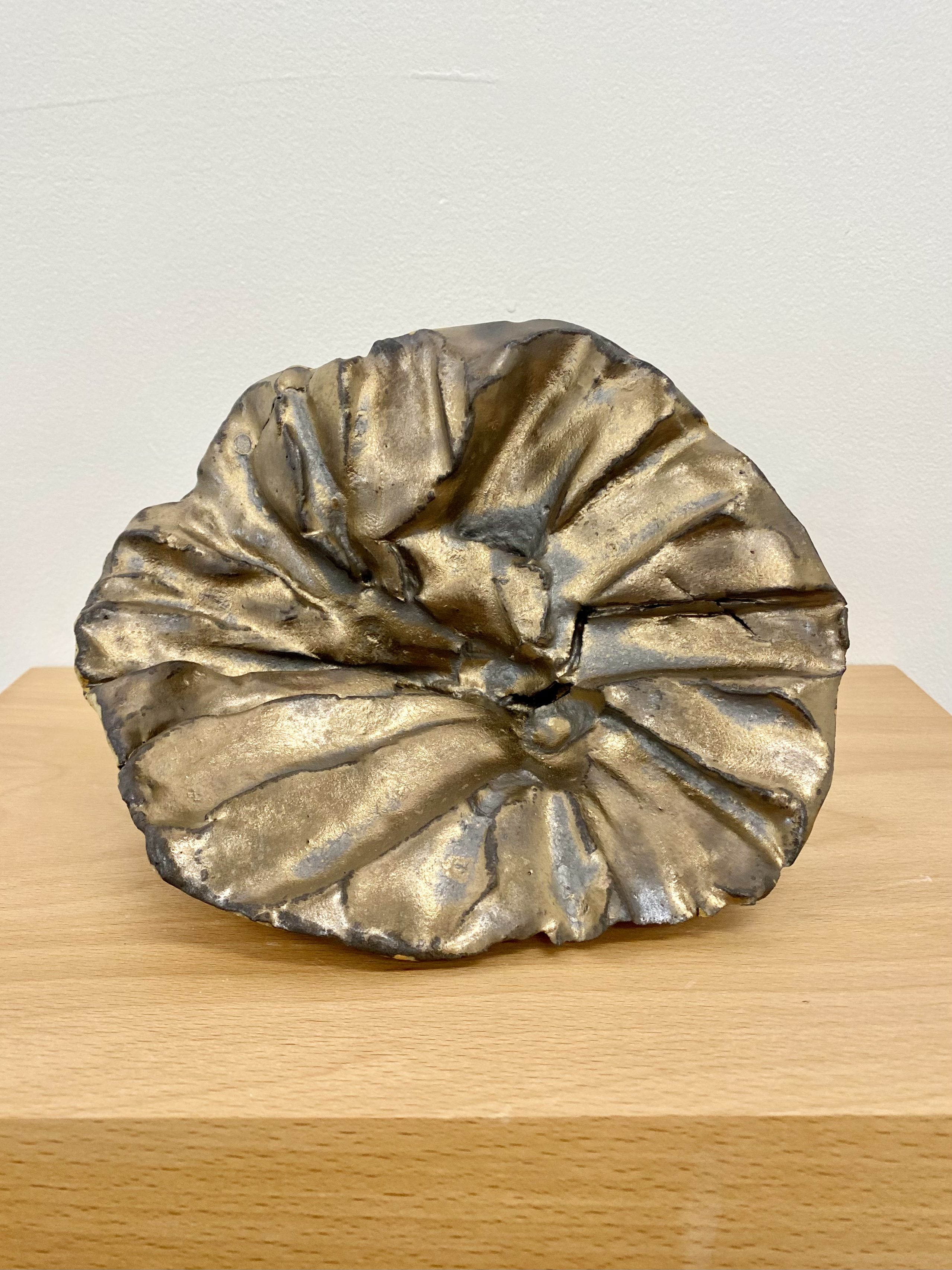
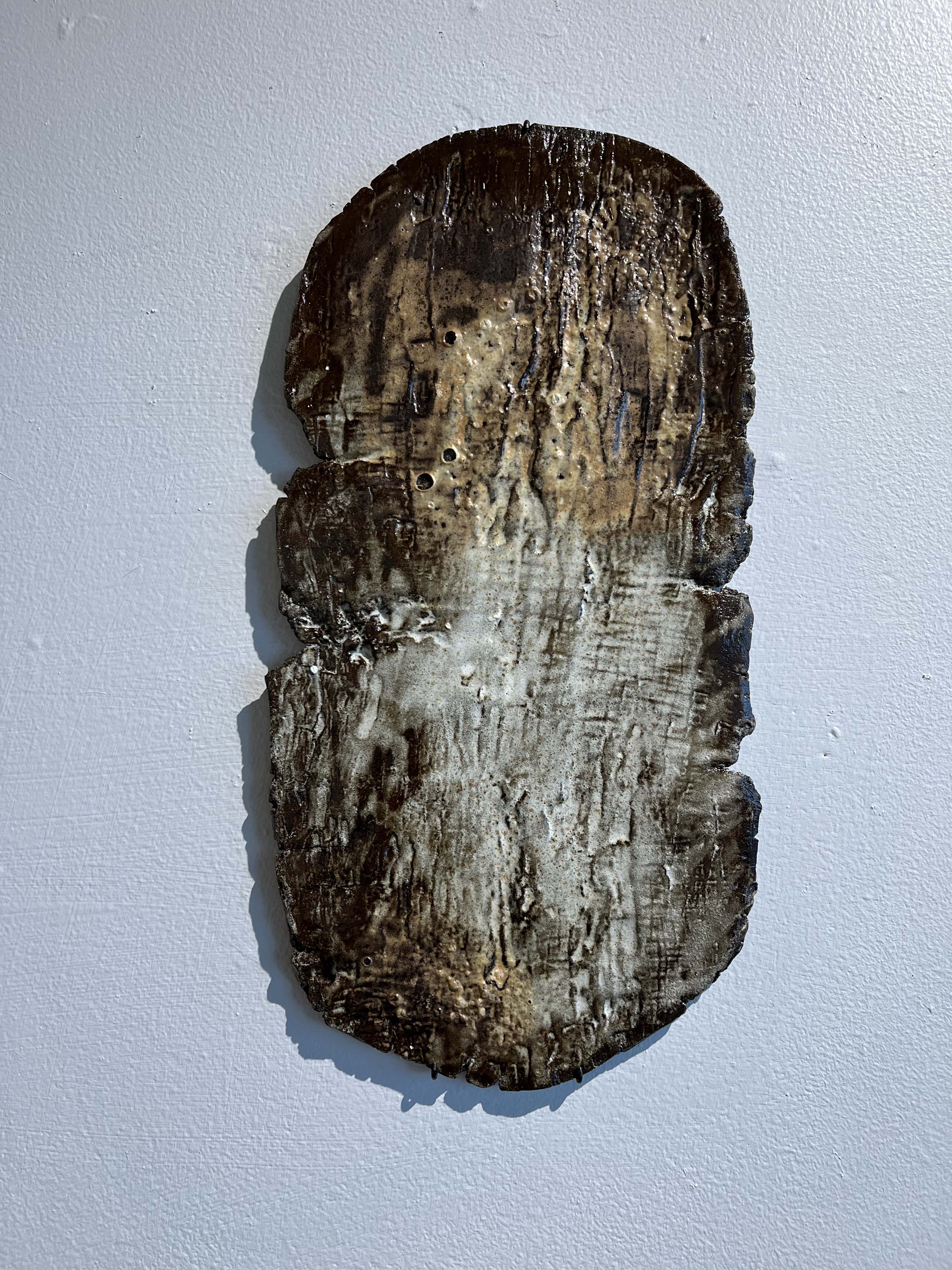
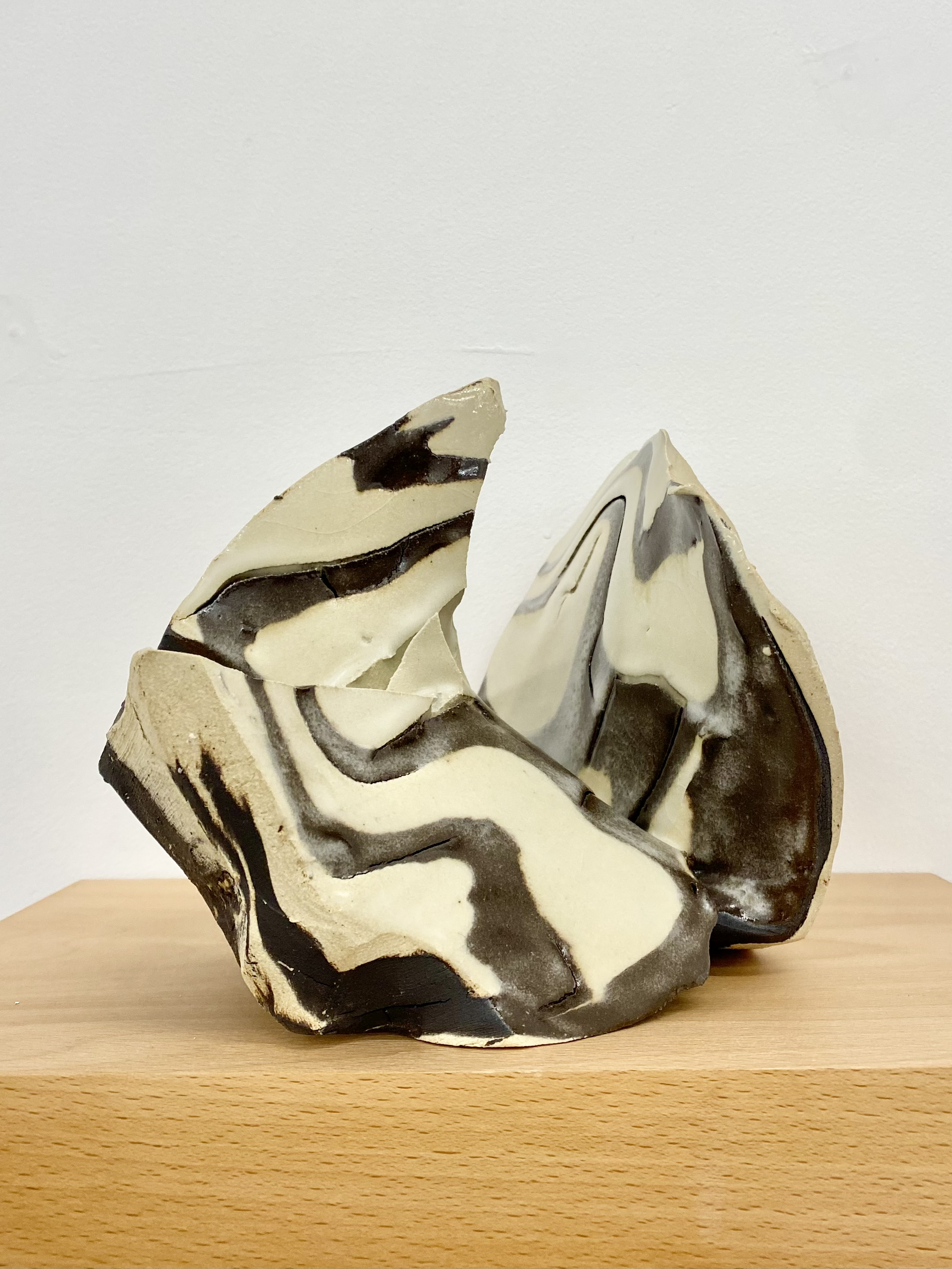
Clay is always becoming something new. When you're working with fresh clay it's incredibly plastic, something that can be manipulated very easily. Ideas take form, some of them yours. When the clay has decided what it wants to be, it hardens to a solid lump. But that's just the beginning! The clay body takes on a whole new personality in the kiln. Your ideas may not survive... Then comes the glazing, which is an exercise in trust. You do the chemistry, but basically you're just throwing on some milky liquids and hoping for the best. By the time you finally open up the kiln, you may find something so completely changed that you forget what the original idea even was.

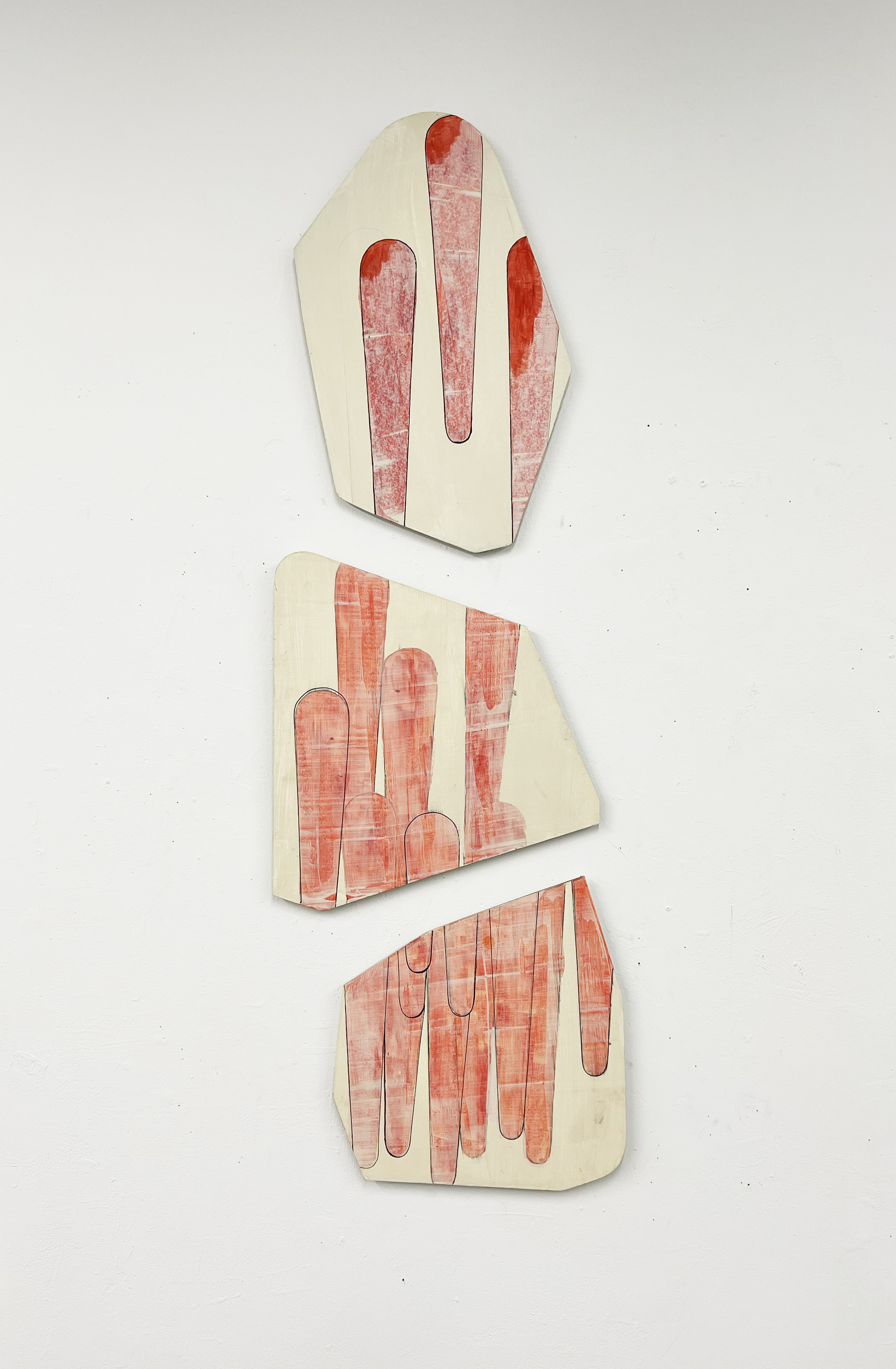
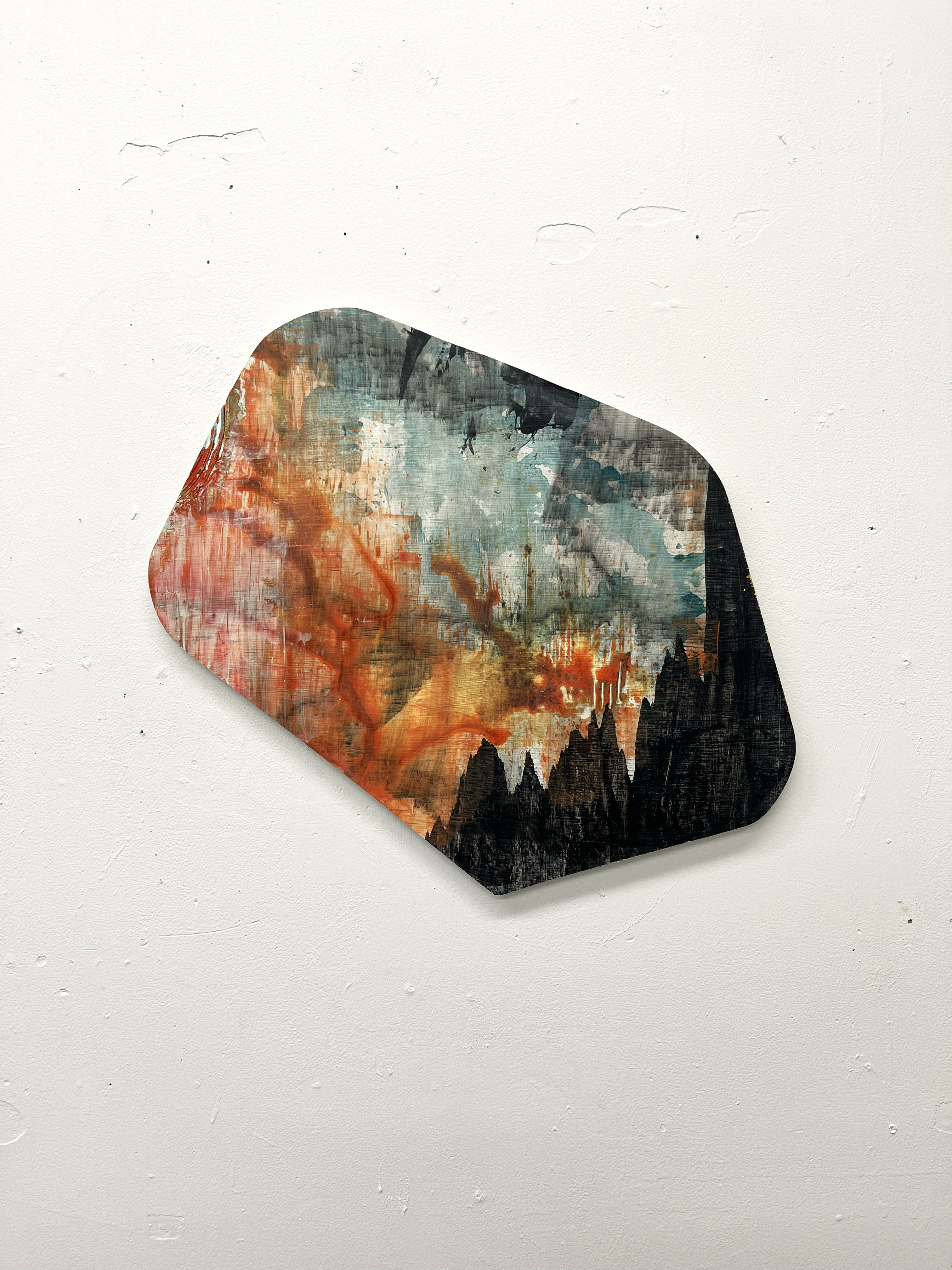
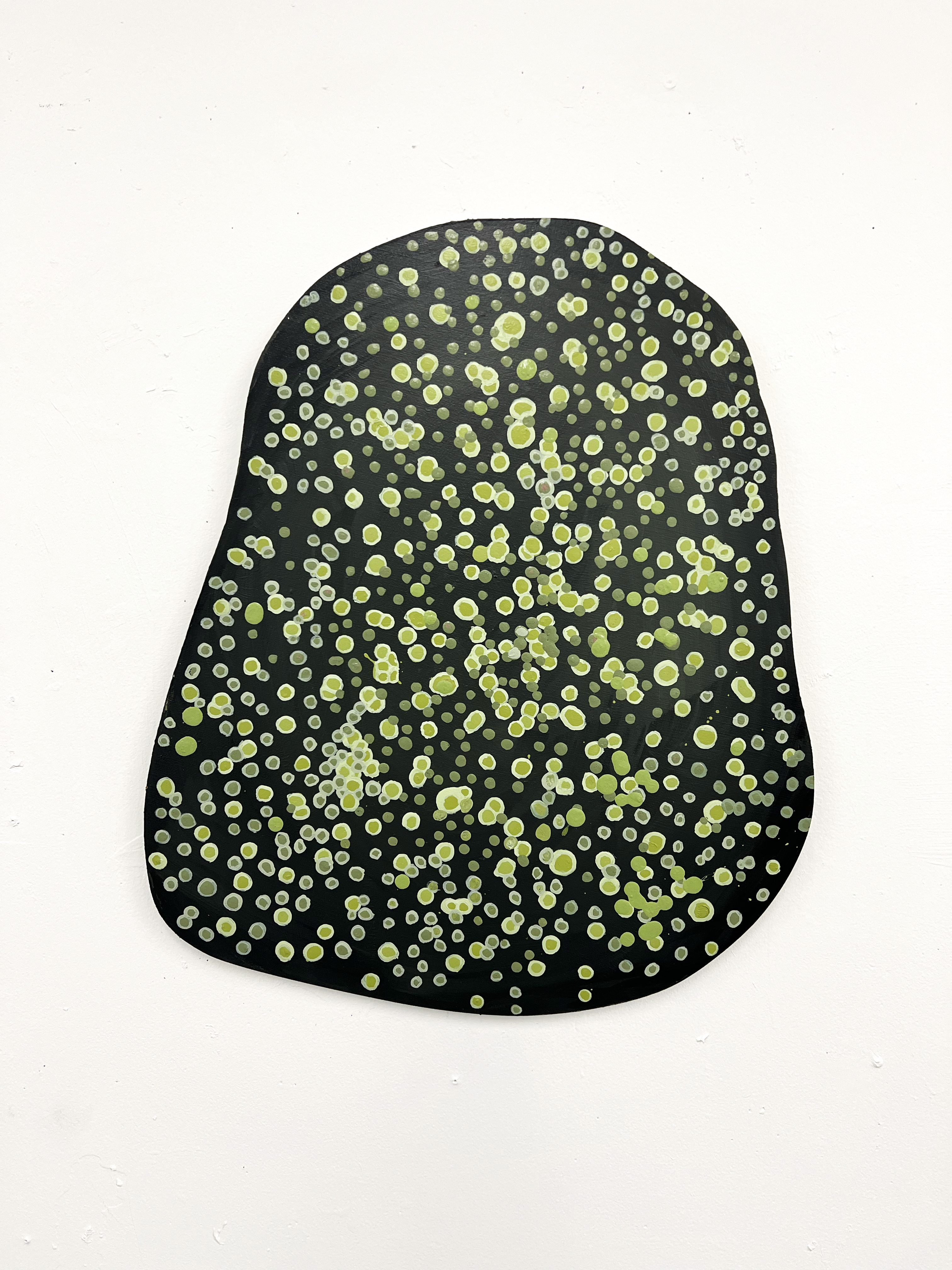
Ceramics was my first passion. My BFA and MFA were both in ceramics, but that was a very long time ago! My art practice evolved in other directions, but it has always been about understanding materials, about how to manipulate them, and facilitate change. For this body of work, I needed to re-learn many things, to confront how much I didn't know, and how much I still don't know. I went from a very comfortable practice to a place of improvisation, a collaboration with unseen forces. For me, it's a way of looking at fear. Why is it that we are so afraid of changing, of moving forward? And yet, we always have to keep moving forward.

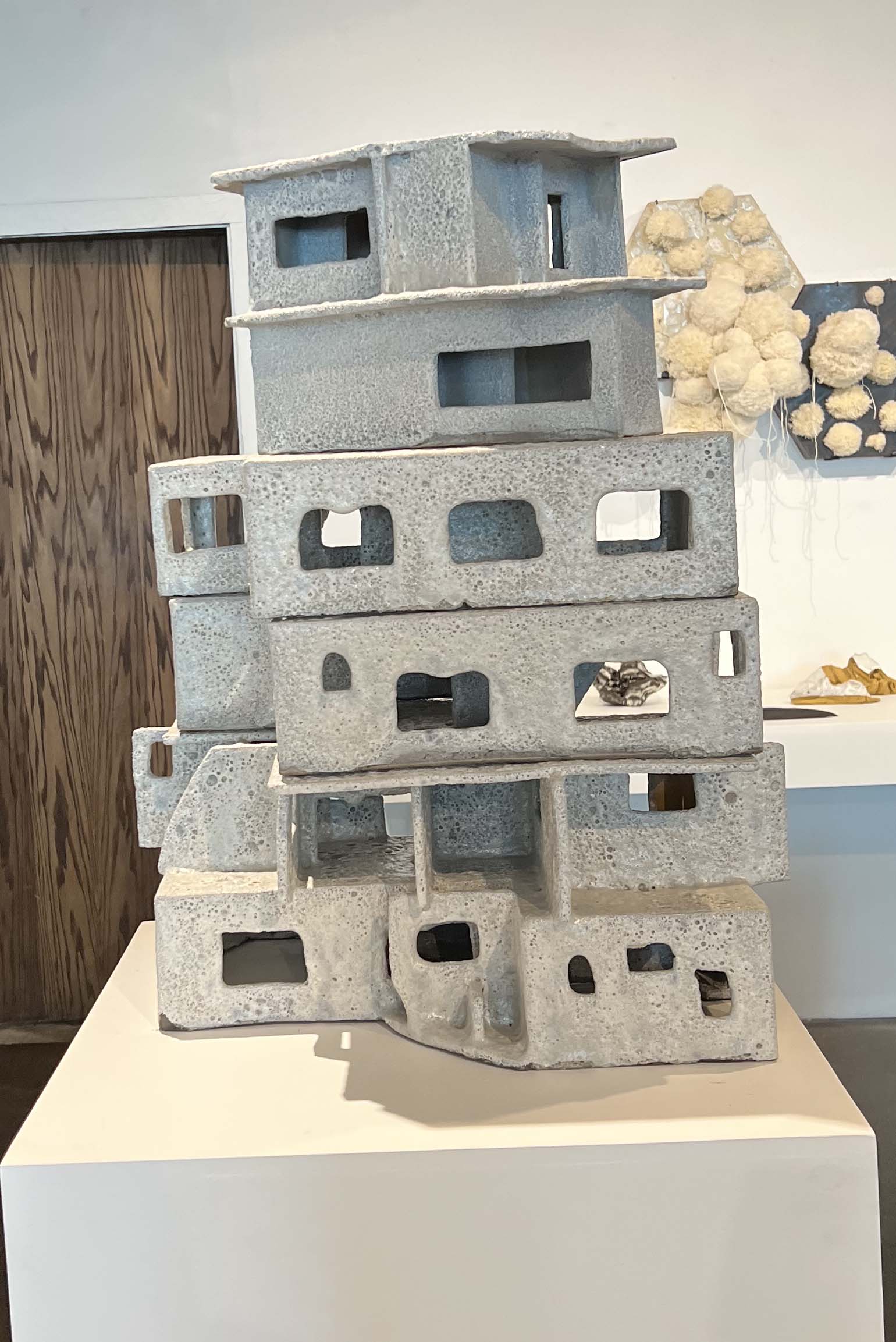
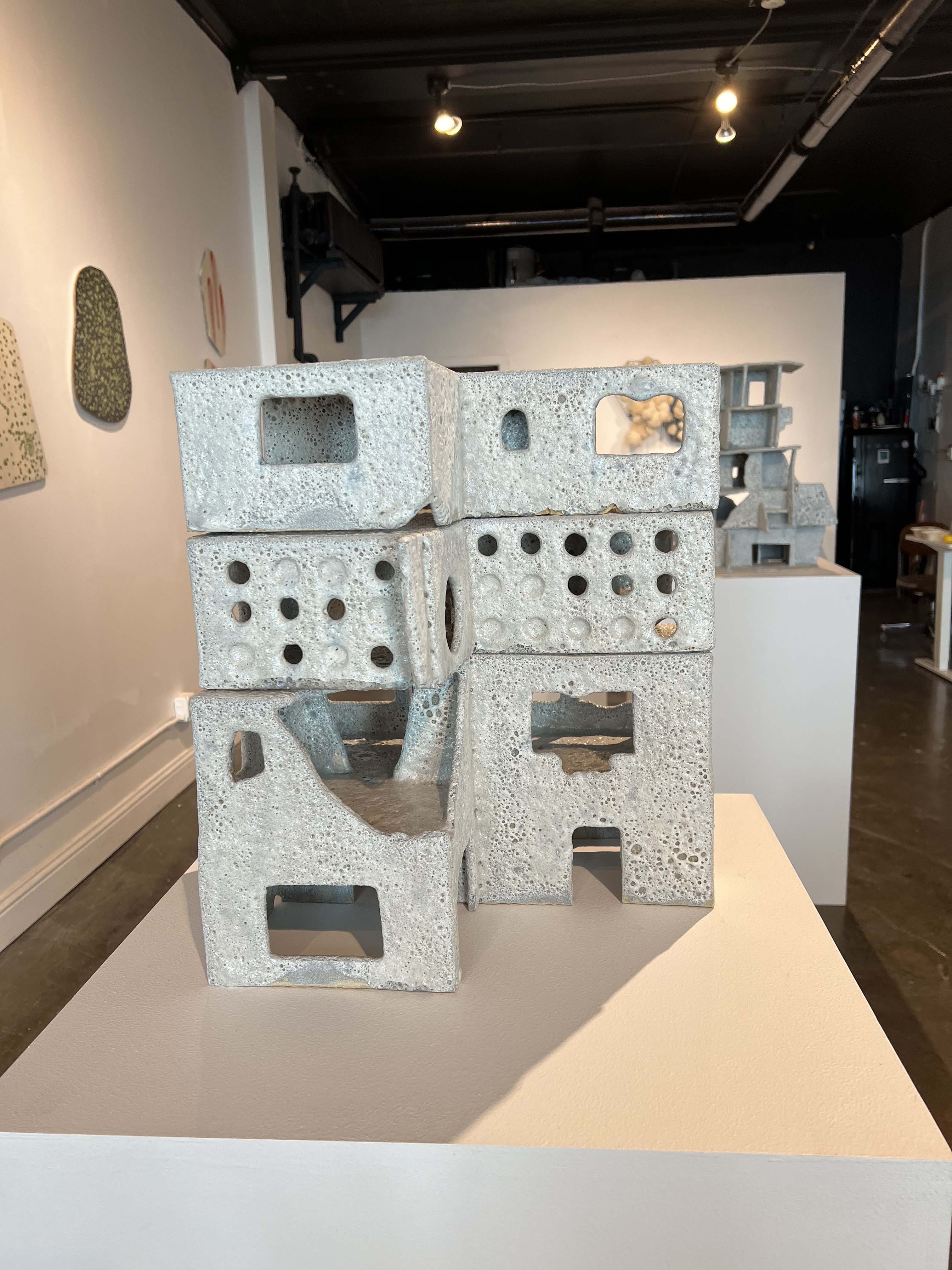
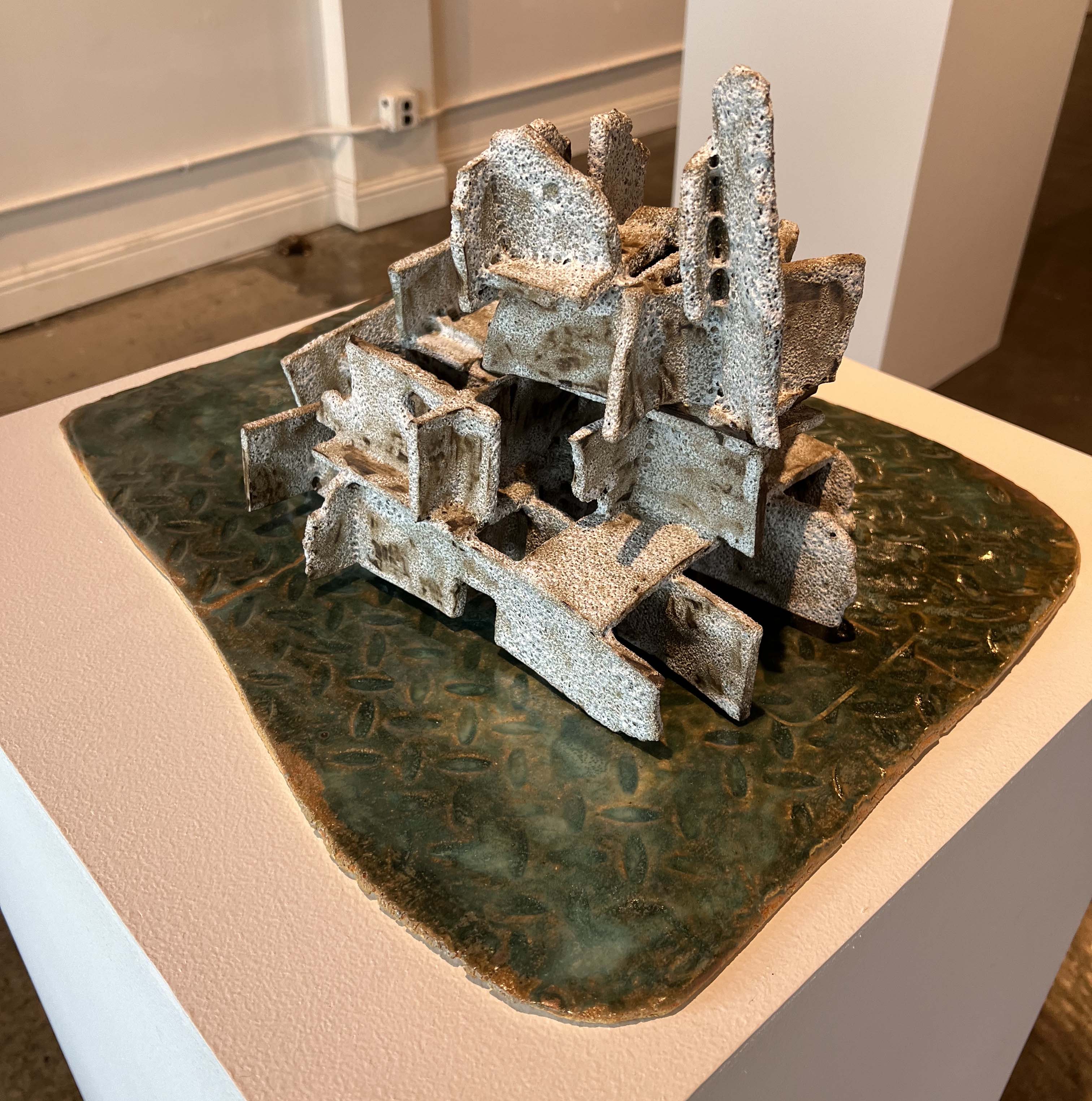
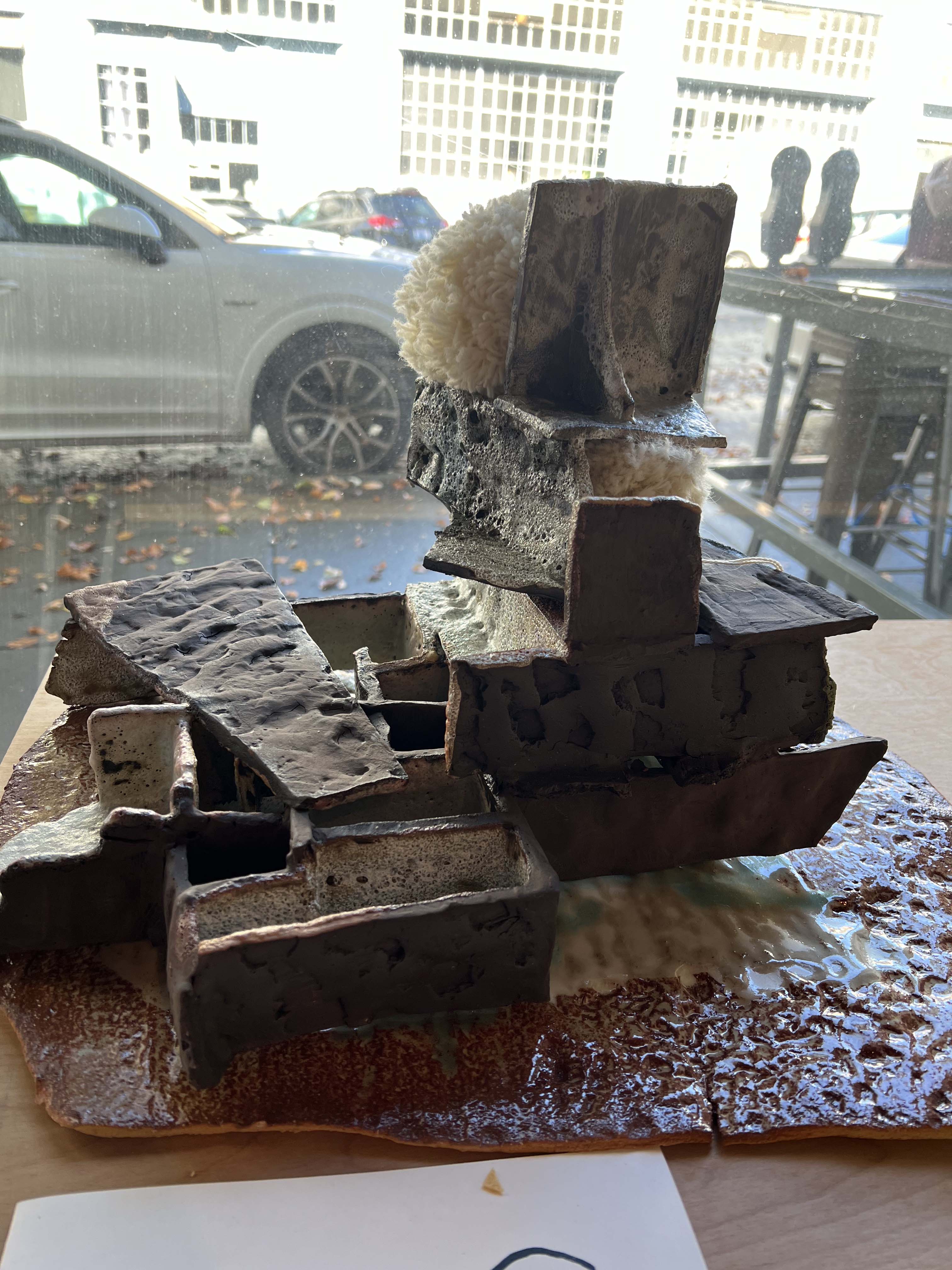
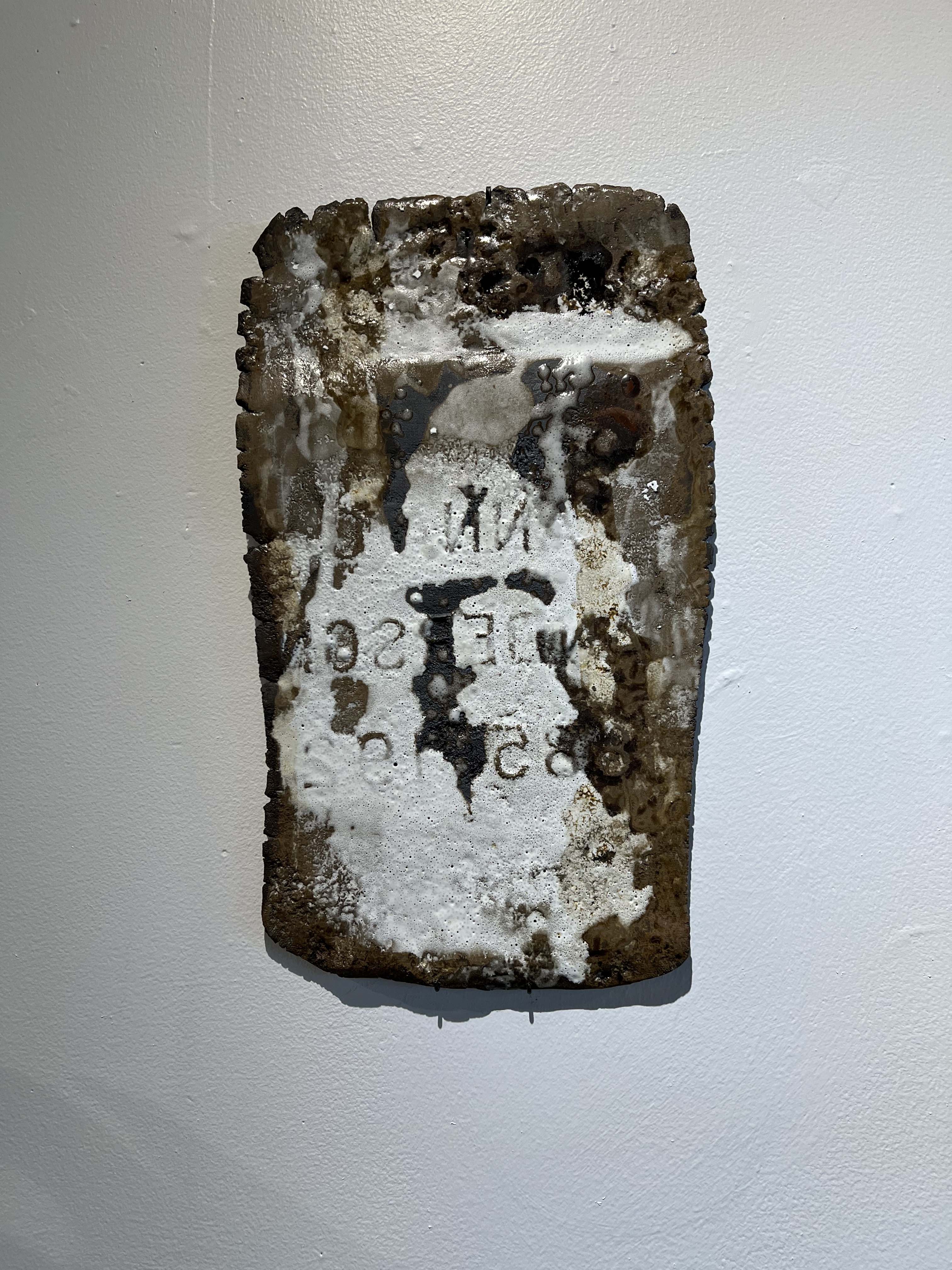
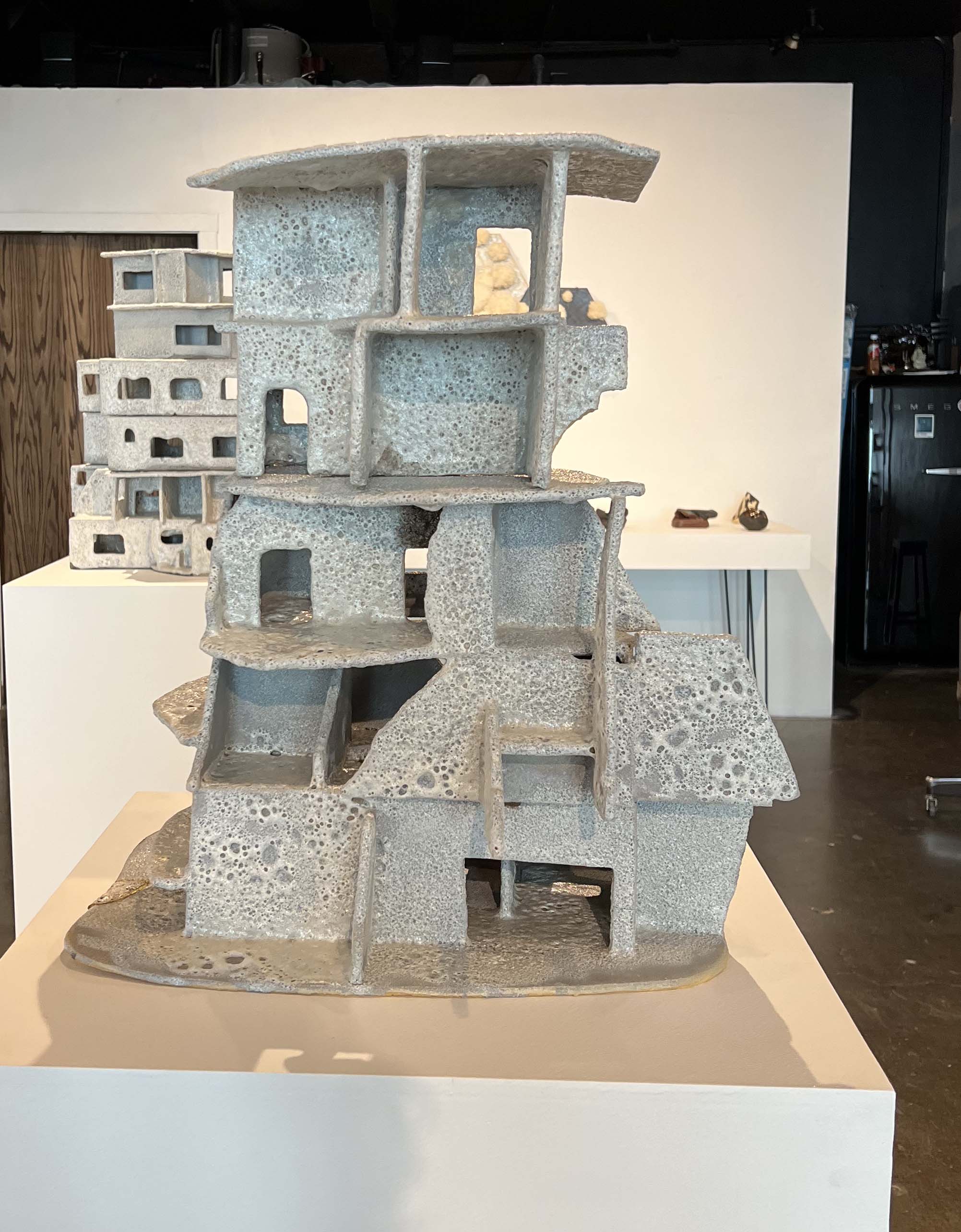
About the Ruins

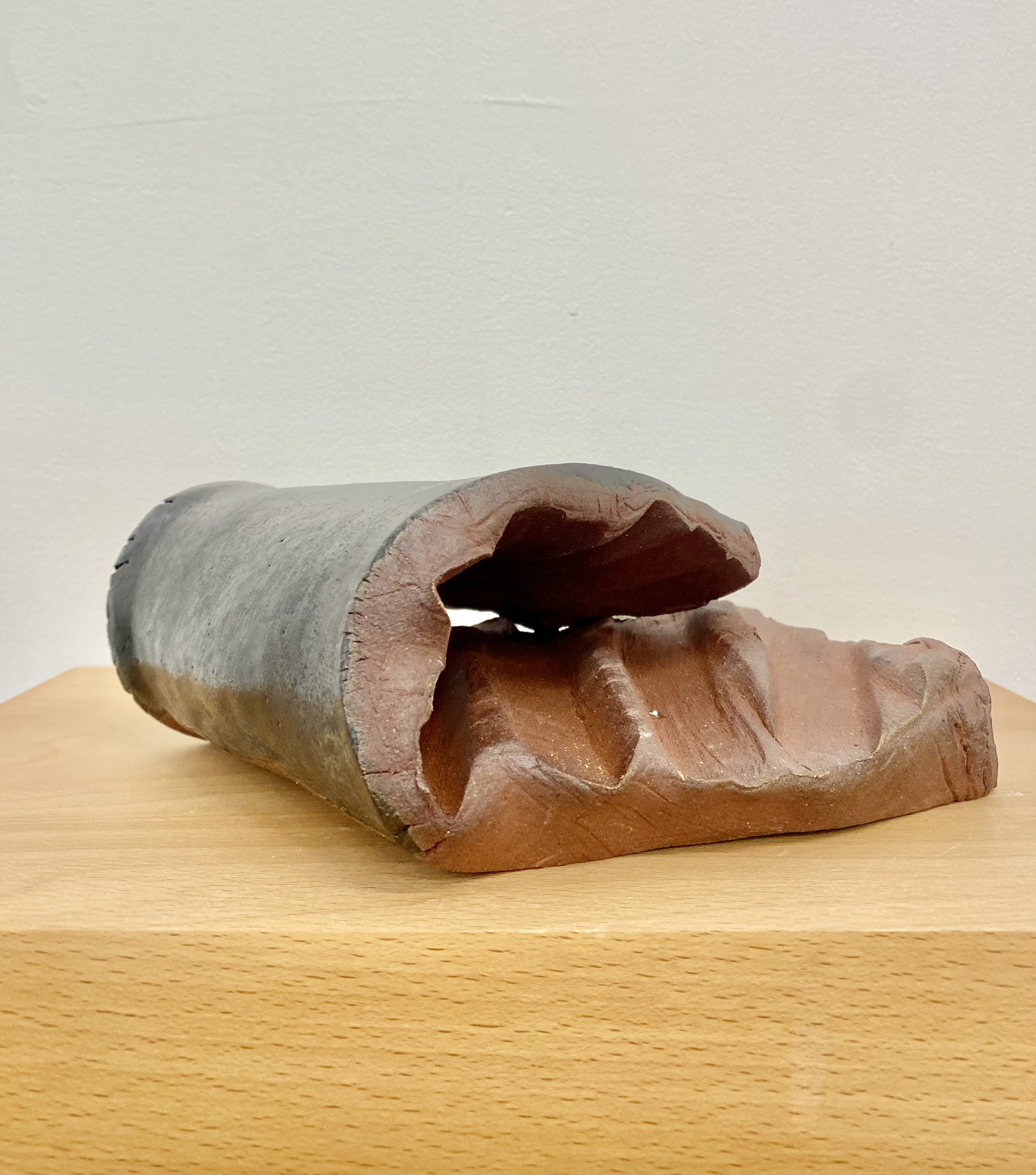
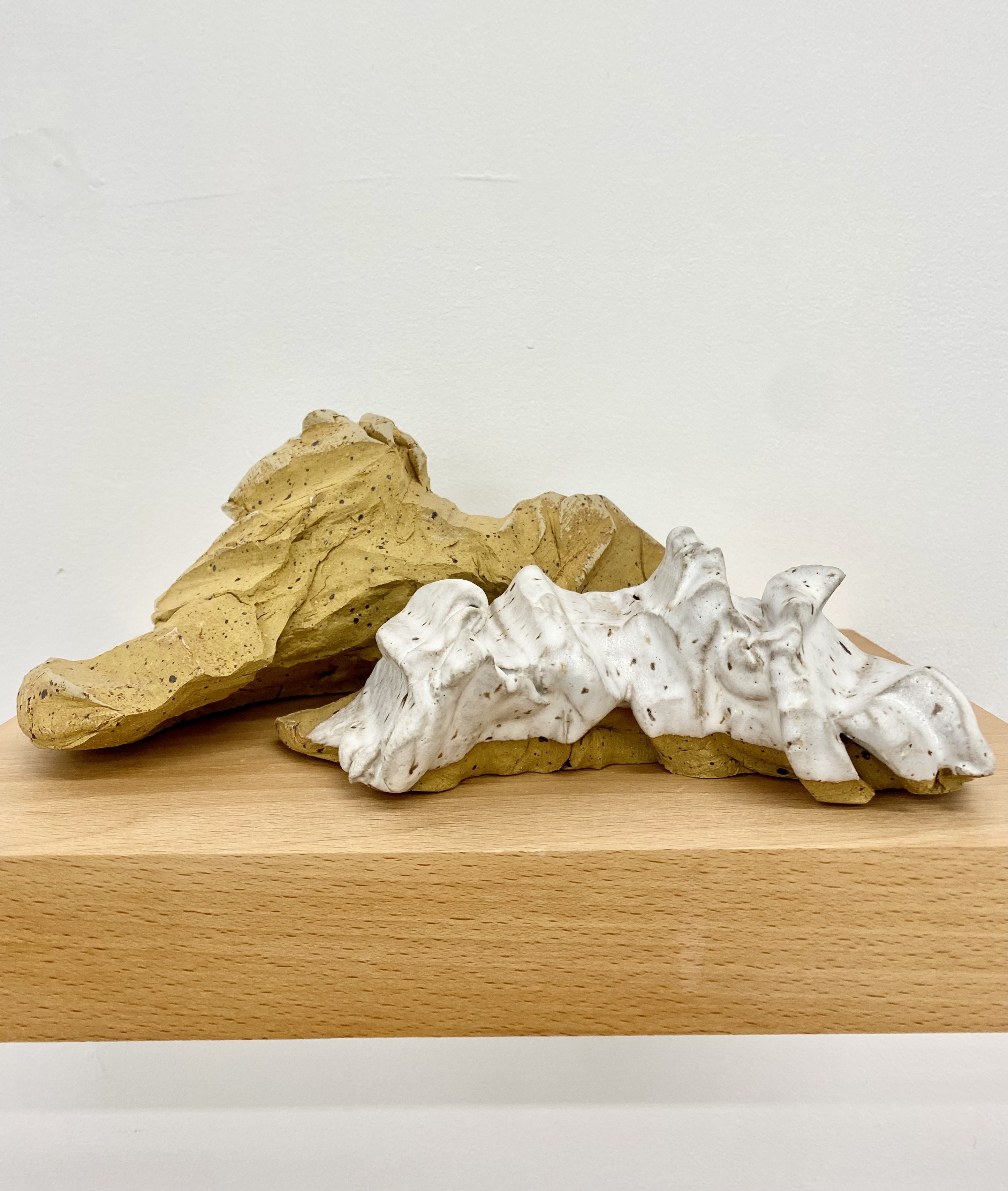
These forms do not refer specifically to current events. They manifest an archetype that we all carry with us. In 1937, fascists conducted a brutal arial bombardment of the village of Guernica, Spain. In response to this unprecedented atrocity, and hoping to catalyze world opinion, Pablo Picasso created his massive cubist masterpiece "Guernica."  The artist was saying, this is really happening. Don't look away! But the bombing of civilian populations would become normalized over the course of World War II, culminating in the destruction of Hiroshima and Nagasaki. And of course, the bombing of civilians has continued unabated ever since. Picasso hoped that we would confront an unimaginable horror, and do the right thing. Today we look into the dark mirror of Guernica, and are horrified to see ourselves. Don't look away.

SUBSCRIBE

Contact Us