
CARA JAYE
ALMOST FOREVER
2023-10-06
—
2023-10-29
“Individually, we make isolated choices that may have only a tiny impact on CO2 levels, but that impact will echo almost forever.” - Dale Durran. This work focuses on our world in the era of global climate change and widespread plastic pollution. We live in a time when our world is changing rapidly, and many people do not know what they can do to address the many environmental challenges we have to face. This work seeks to investigate these problems and scenarios being played out by human impact on the natural environment. Witnessing these events in person and in the media brings with it a sense of individual guilt and culpability. Dale Durran’s research on CO2 in the atmosphere and his quote about the lasting impact of CO2 particles has inspired some of this work. The idea of echoing and rippling provided a focus for me to create images that engage with abstraction and repetition of form. The use of repeated forms suggests transmission, communication, and compounded impact on the environment. It seems to me that one of the big hurdles in enacting personal change is the notion that one’s own actions are too small – one feels insignificant, and this leads to despondency and inaction. I intend to encourage the viewer to see how small actions can, not only “echo almost forever,” but ripple out and multiply. Ultimately, I hope to inspire viewers to connect and engage with the scientific information on a level which will propel them to make personal changes that, when multiplied, will yield immense results. I aim to create work that generates emotional responses from the community, creates personal connections, and engages with these issues in a lasting manner. The Pre-emptive memorial for single use plastics works are an examination of the proliferation of plastic items in our lives. I was led to focus on these items as I contemplated my own consumer habits, and that of my family. A recent study found that 94% of sampled municipal water in the US contained microplastics, and 1 dump truck work of plastic waste enters the ocean every minute. In the future, after we have found better and more sustainable solutions, will we have nostalgia for these things? The cleverly designed clear plastic boxes and containers hold food and beverage items, personal care products, detergents, and many other expendable materials. I find that my recycle bin is full of single use plastics, and although I would like to find a way to avoid these products, they are heavily integrated into our consumer society. These containers fill-up, pile up, and break down into tiny particles, polluting every corner of our world from our bodies to our oceans. I am working on this series of pre-emptive memorials as a modest hope for humans finding more sustainable containers and products for everyday living. The work is created in a variety of media, using a combination of cyanotype, screen print, monoprint, relief print, painting, or encaustic painting. Cyanotype is a light sensitive photographic emulsion that was developed in 1842 during the early stages of photographic history. The cyanotype blue color suggests both water and atmosphere and makes a strong ground for further layers of material. Cyanotype is one of the earliest forms of photography – an early photo process that was invented by Sir John Herschel in England in 1842. Cyanotype solution is made from Ferric Ammonium Citrate and Potassium Ferricyanide mixed with distilled water. It is brushed directly onto paper and is contact printed with exposure to UV light. Encaustic painting is a form of painting that combines pigment with beeswax and damar resin. Encaustic is an ancient form of painting on panels, dating back to the Greeks and Egyptians from about 100–300 AD. Using these ancient techniques provides a link to the past. Thinking about these historical connections with the past, the eternity of the Earth, and the Anthropocene links these common elements and ideas. Our dependance on a habitable planet as a recent concept, combined with the wisdom of the past and the possibility of new solutions may suggest a way forward. By making small changes that can ripple and make an impact on our environment, we can find a path to the future that is sustainable and secure.
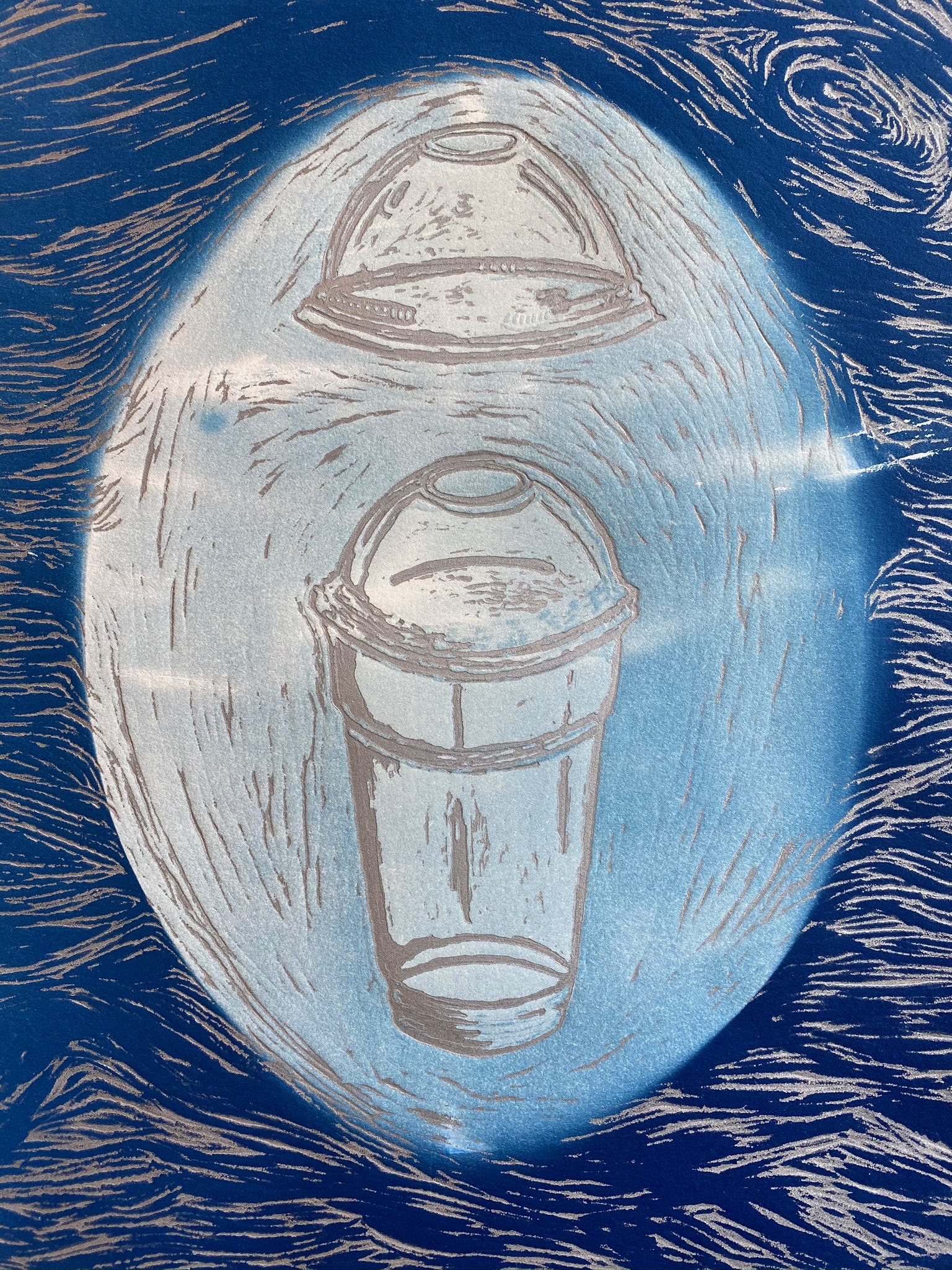
Pre-Emptive Memorial for Single Use Plastic – Dome Lid
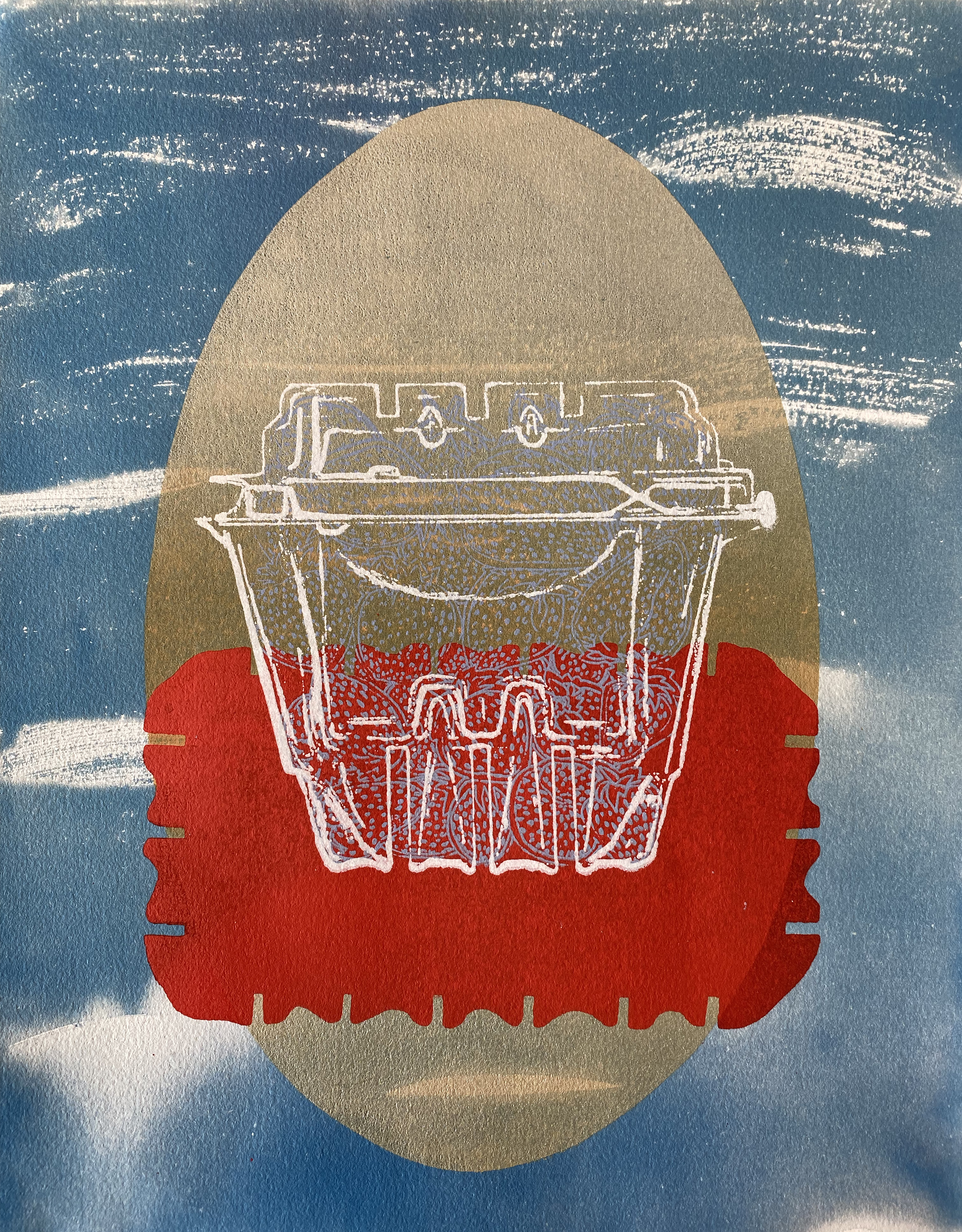
Pre-Emptive Memorial for Single Use Plastic – Strawberry Clamshell Box
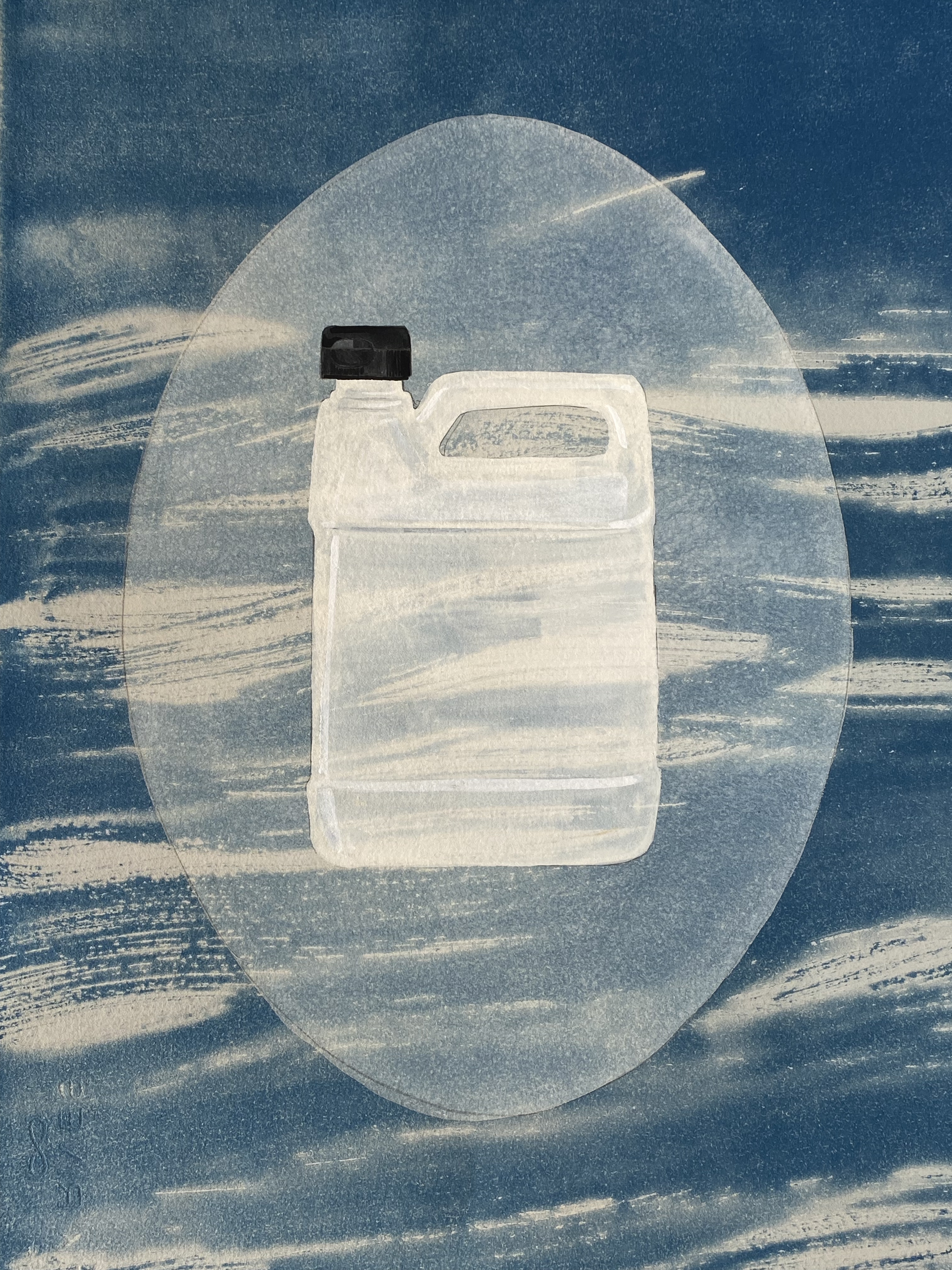
Pre-emptive Memorial for Single Use Plastics- Jug
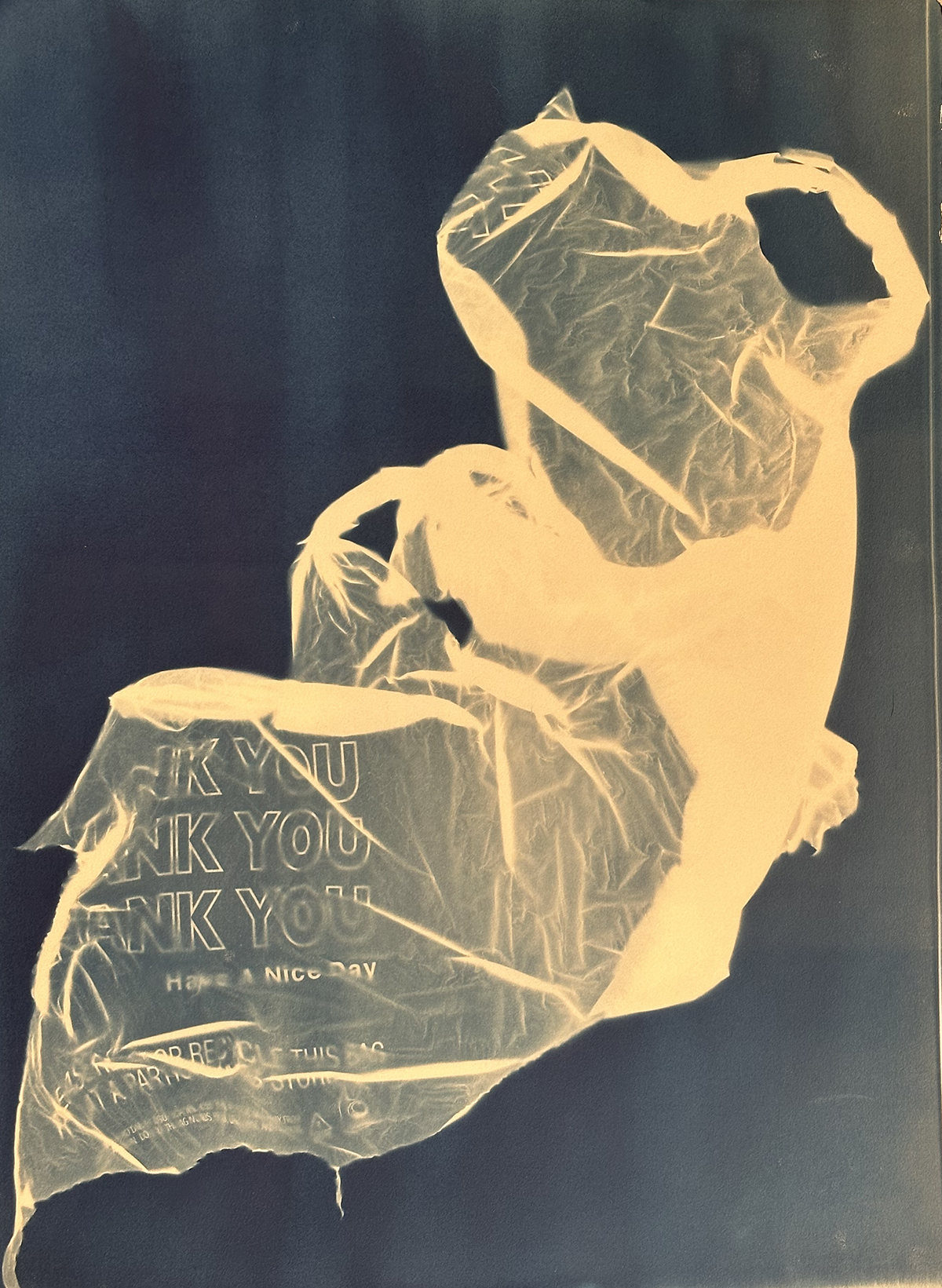
Thank you #1
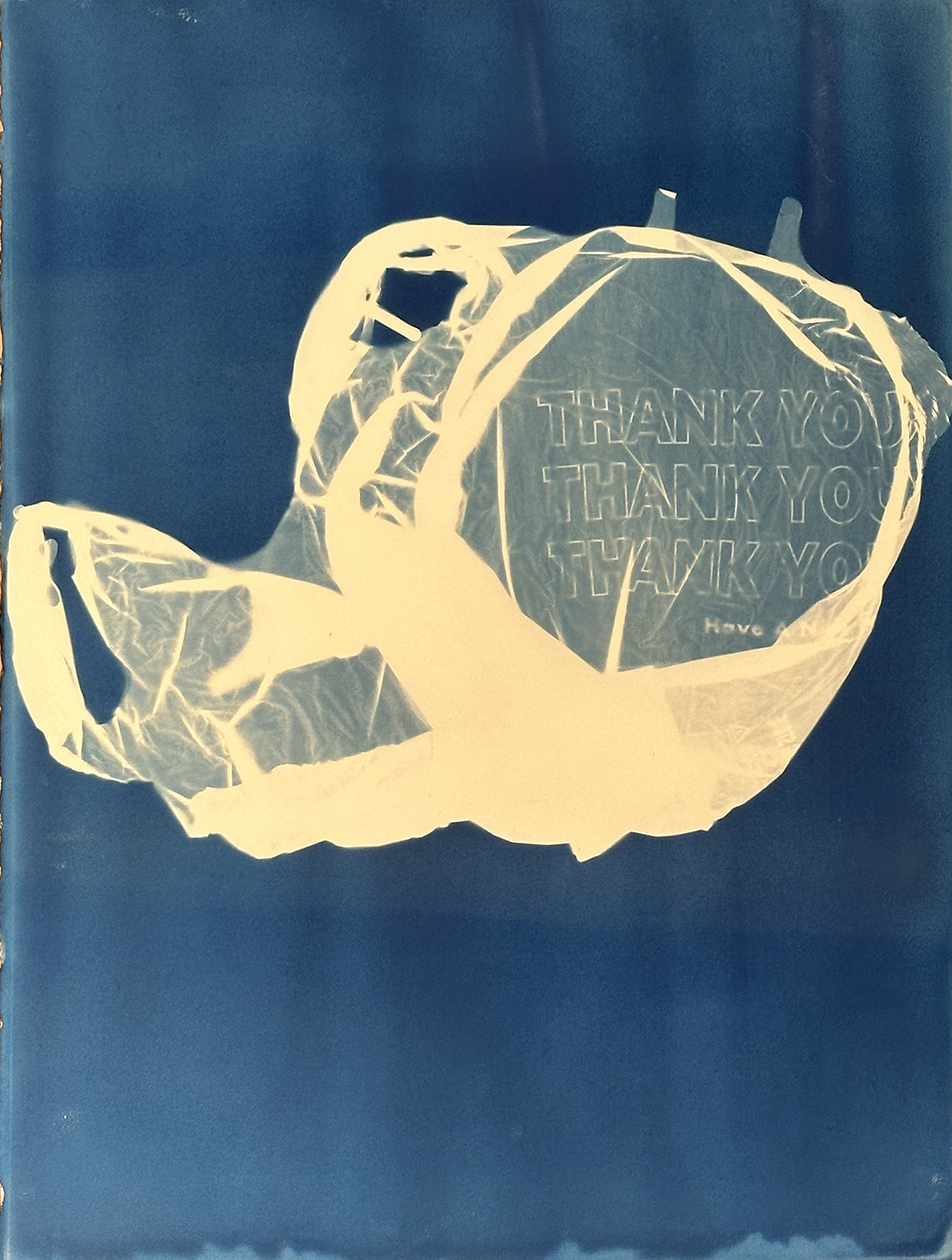
Thank you #2
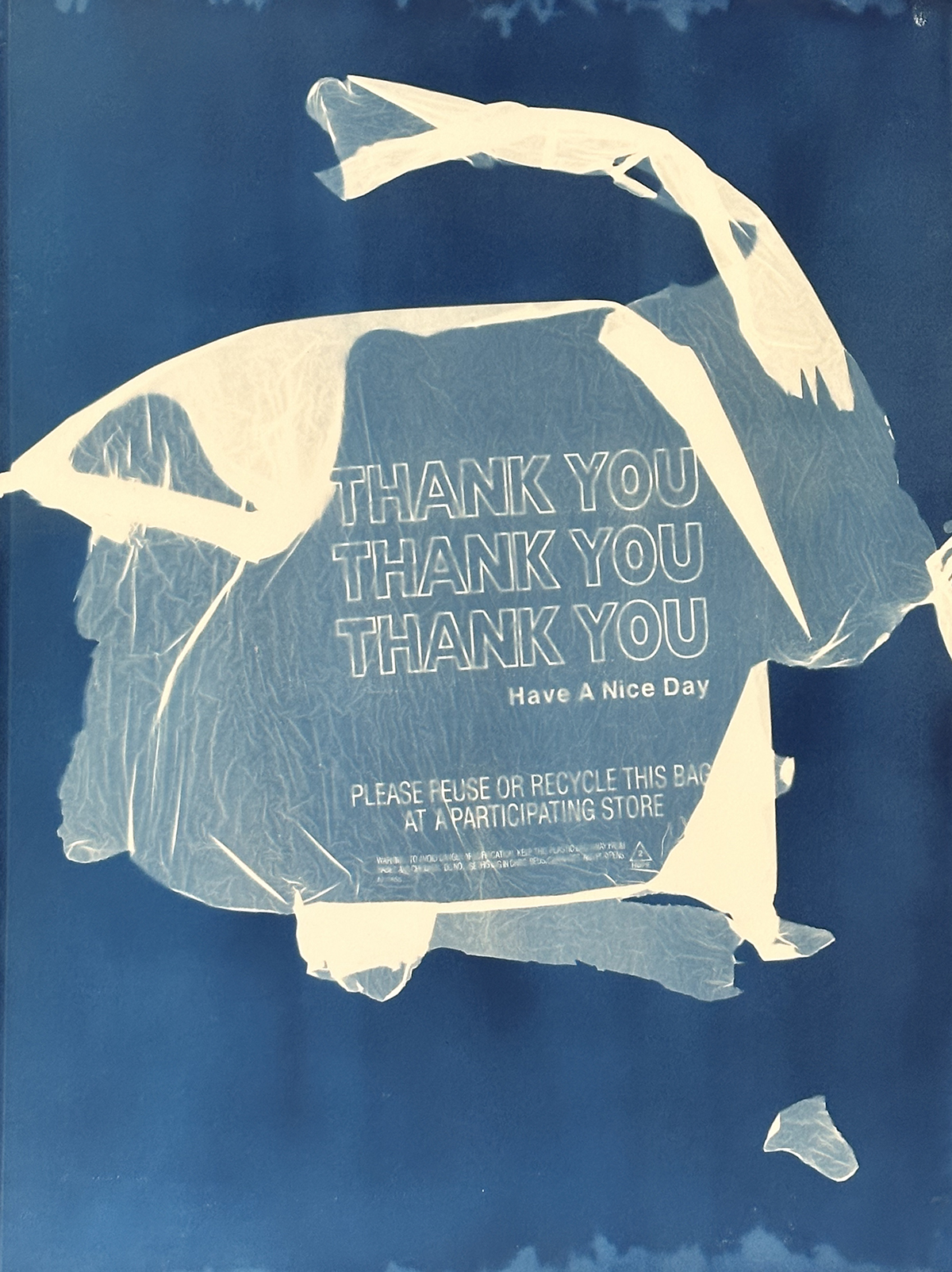
Thank you #4
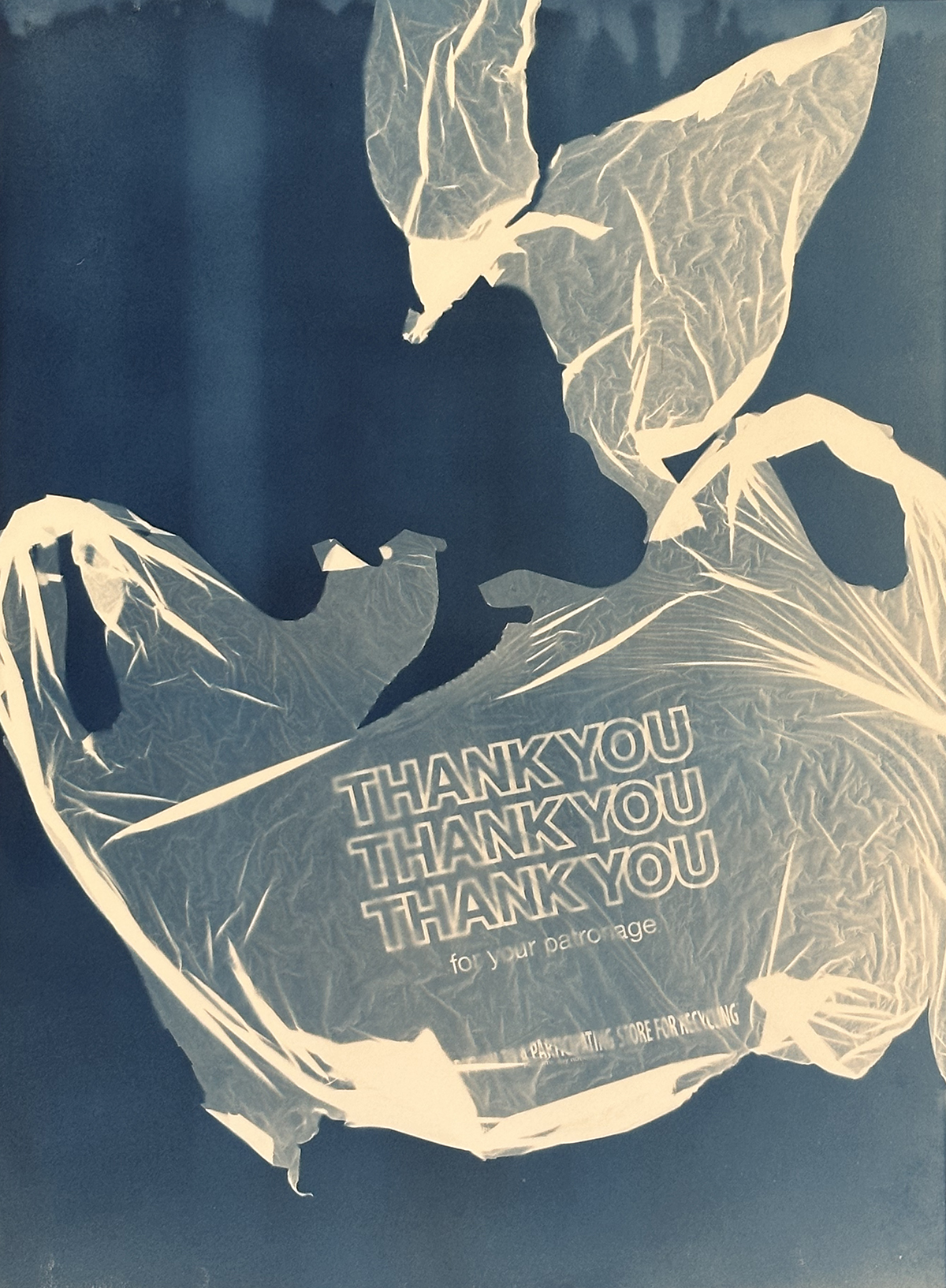
Thank you #3
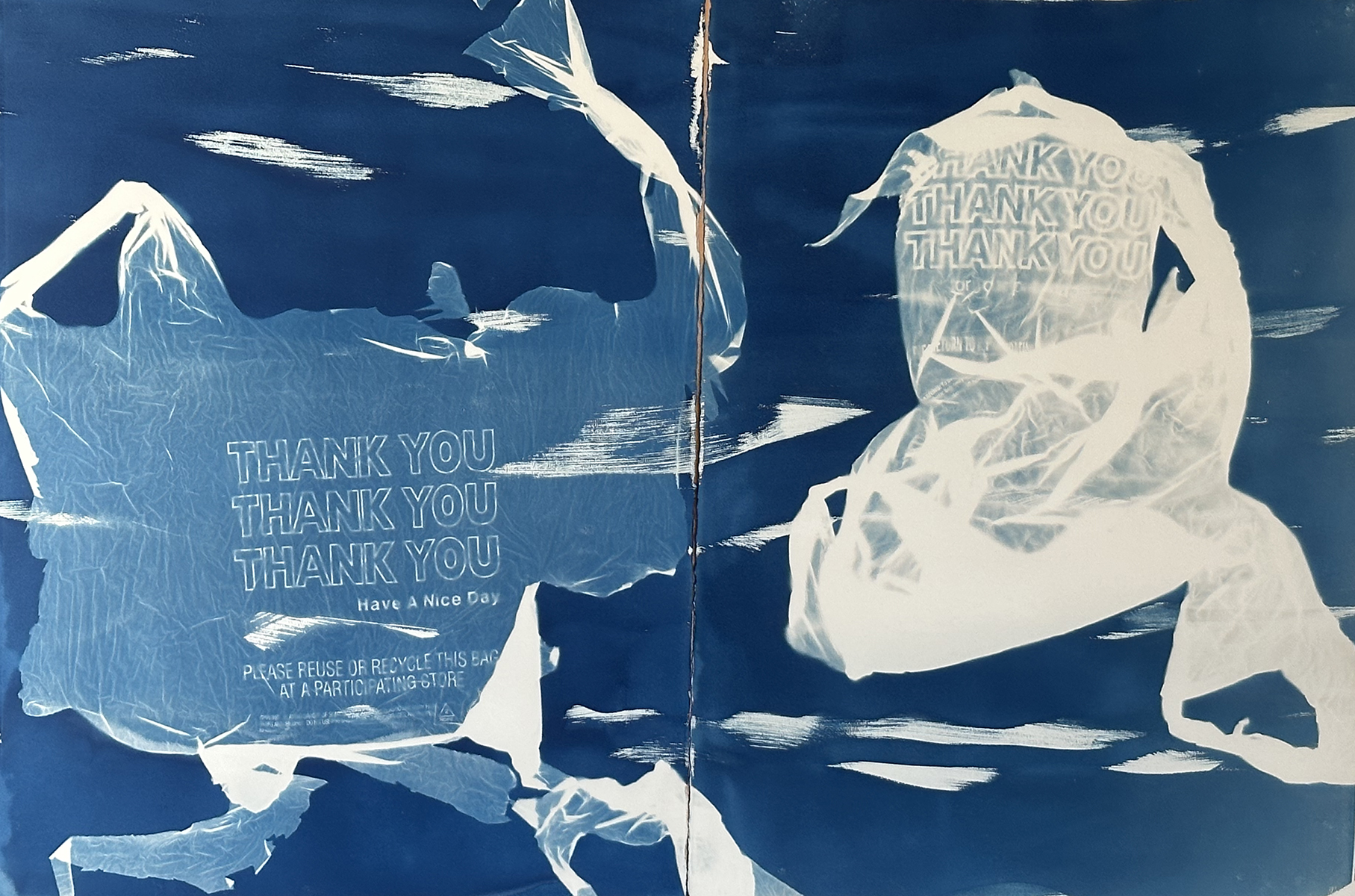
Thank you #5 & #6 (diptych)
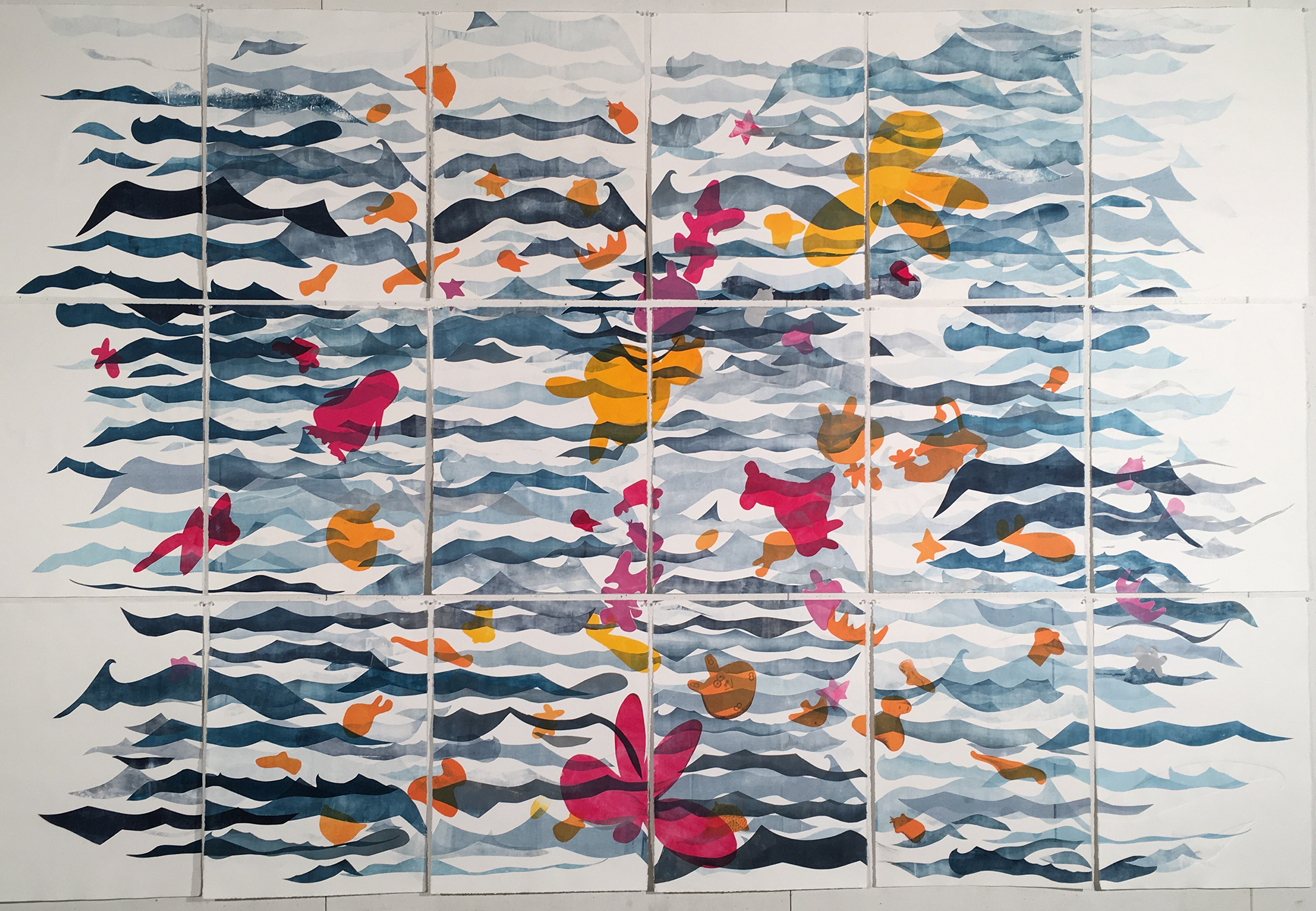
Underwater
SUBSCRIBE
Contact Us
WELCOME!
Oops, there was an error sending your message.
Please try again later.